Week 17/2026: Book crawling
Week of 20 April 2026
This week I took part in the Global Book Crawl, a crawl around the bookshops of Hobart.
Fun!
This post is wholly researched and written by me. I do not use AI in my writing. I will always bring you my stories in my real human voice.
Global book crawl
A book crawl? What even is that?
The Global Book Crawl is described like this.
In 2025, independent bookshops in different countries invited readers to walk from bookshop to bookshop, to rediscover familiar places, and to experience books as something shared.
In 2026, we’re back. And we’re going further.
The second edition grows in participation, in territories, and in ways of working together. More bookshops, more cities, more languages connected by one simple idea: reading is also about encounter and community.
Each city or region curates its crawl: a self-guided route through independent bookshops.
The heart of the Global Book Crawl is the joy of discovery: wandering through bookstores, getting lost in conversations, and finding titles you didn’t know you needed.
Last year, four Hobart bookstores took part and this year there were six:
- Cracked & Spineless
- Dymocks
- Five Vines Left
- Fullers Bookshop
- State Bookstore
- The Hobart Bookshop
Cool! More bookstores!
They invited us to “adventure through the heart of Hobart’s bookshops. Visit multiple shops, connect with local book culture, and discover hidden gems.”
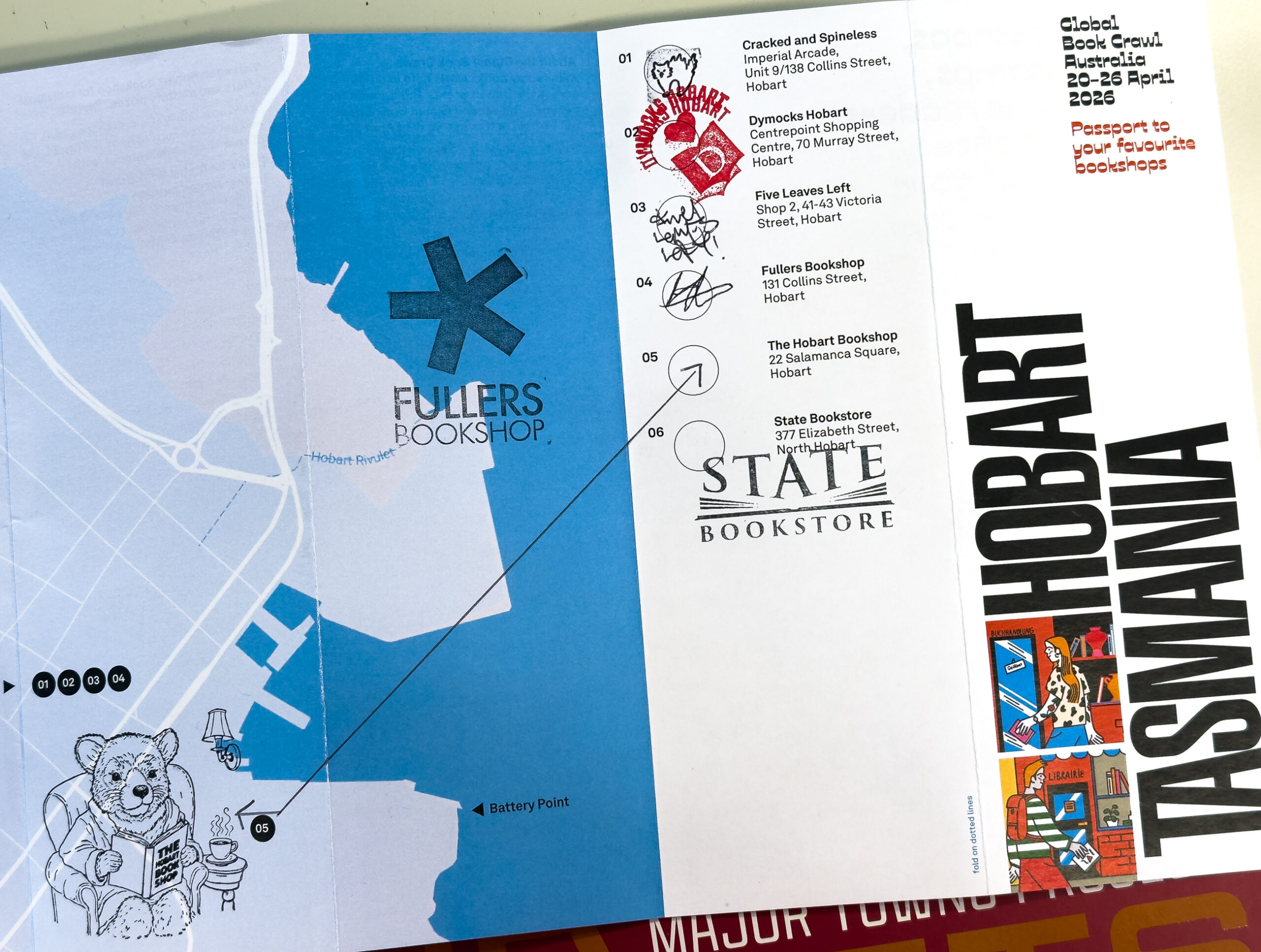
All you had to do was to pick up a passport from one of the shops then visit some—or all—of them and get a stamp. There was no obligation to buy anything, you just had to visit the shops. Once you’d finished, you needed to hand it in to one of the stores. If you got stamps from at least four of the bookshops you could get a free audiobook from Libro.fm.
Penguin Books was also running a little promo with the book crawl where if you purchased a Penguin book, you could get a pack of Penguin Persona cards.
Monday crawling
I picked up my passport from The Hobart Bookshop on Monday morning on the way to work (well sort of) and right from the get-go they were the front-runner for the cutest stamp. (Keep reading.)
At lunch time I went out to everyone’s favourite bookstore, Cracked and Spineless, which is my go-to place for random unknown old Tasmanian books that catch my attention and demand to be bought. Today, I didn’t find anything (sad face).
I went to Dymocks and Fullers, where I still have a gift voucher waiting for the perfect book to jump out at me but I’d forgotten to bring it in today.
My final visit on Monday was Five Leaves Left, a newbie to the book crawl. This shop sells wine and stocks a very interesting range of books by authors I’m not familiar with and if I still drank, it would be a very dangerous place for me indeed!
Since you only had to collect four stamps to get a fee audio book (yay!) I could have finished today but I wanted to complete the map, so I decided to walk to North Hobart at lunch time on Friday to visit the State Bookstore, another first-timer to the Hobart leg of the Global Book Crawl.
Friday crawling
It’s a long walk from town North Hobart and it was hot and my dressing for chilly mornings was absolutely not appropriate for this.
I had no intention of buying anything but my alter-ego Straightlinesgirl was with me and she saw a book called Our Streets: The Regional Cities and Major Towns Project, and insisted I buy it for her.
This is a book of images of prominent and not so prominent buildings from regional Australian towns and cities, which were captured by the National Library of Australia’s photographers in the 1990s. Buildings include fire stations, town halls, businesses, main streets, churches and homes, and Tasmanian entries include the Burnie Court House, New Norfolk Bowls Club and Queenstown’s Paragon Theatre.
It’s cool because so many of them look like buildings I’ve seen in other towns but they aren’t. So I look at the photo and I say, “I know that building” and then I look at the caption and see it’s in a place I’ve never been to, like Cootamundra or Port Lincoln. And there are also a lot of buildings in places I have been to but I don’t remember the specific building. SLG really needs to pay more attention.
Anyway, I bought the book and SLG was very happy and stopped complaining about the walk after that.
I went back to the Hobart Bookshop to hand my completed passport in because I’d decided to buy another book which I’d been thinking about getting all week. We went off on a tangent in our uni class discussion about Marcus Clarke this week and I felt like For The Term of His Natural Life might be a good complement to my study. I’ve never read this book.
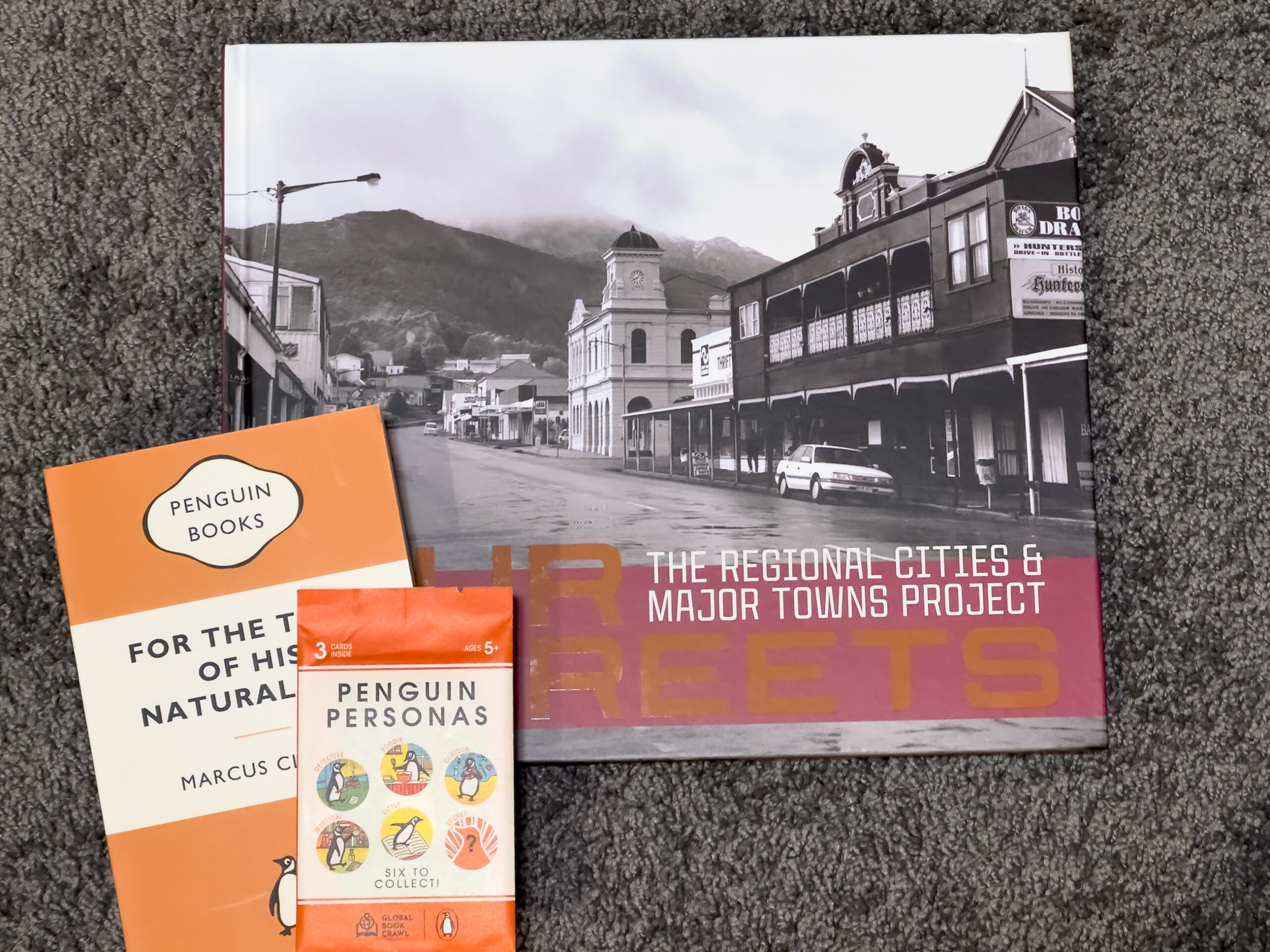
My mother said I should get it from the library but it’s over 400 pages long and at my reading pace, even the two renewals we’re allowed at the library wouldn’t be enough time for me to read it. So I bought the Penguin edition. The deal for the Book Crawl was if you buy a Penguin book, you get a pack of three ‘Penguin Personas’ cards, of which there are six bookish personas: Detective, Foodie, Curious, Mystical, Little and “Secret”, which is a surprise card . . .
My inner magpie was unable to resist.
The more books you buy, the more cards you get and the better the chances of collecting all six, including the coveted shiny “Secret” card (and I know it’s shiny because it was in my pack but I am not allowed to show it to you).
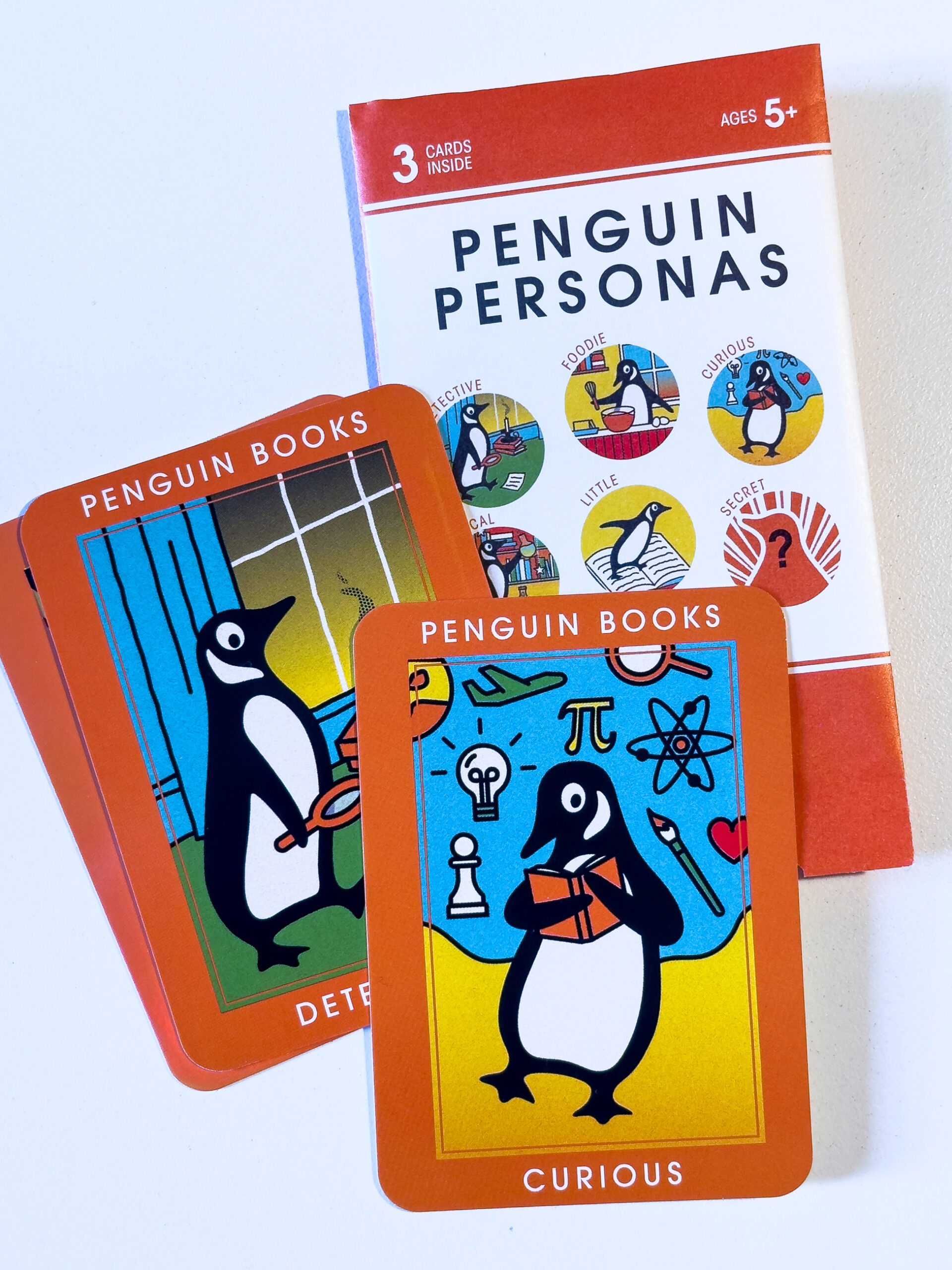
I loved that the first card I pulled out of my pack was “curious” and I did Penguin’s persona quiz, which confirmed I am indeed a curious penguin.
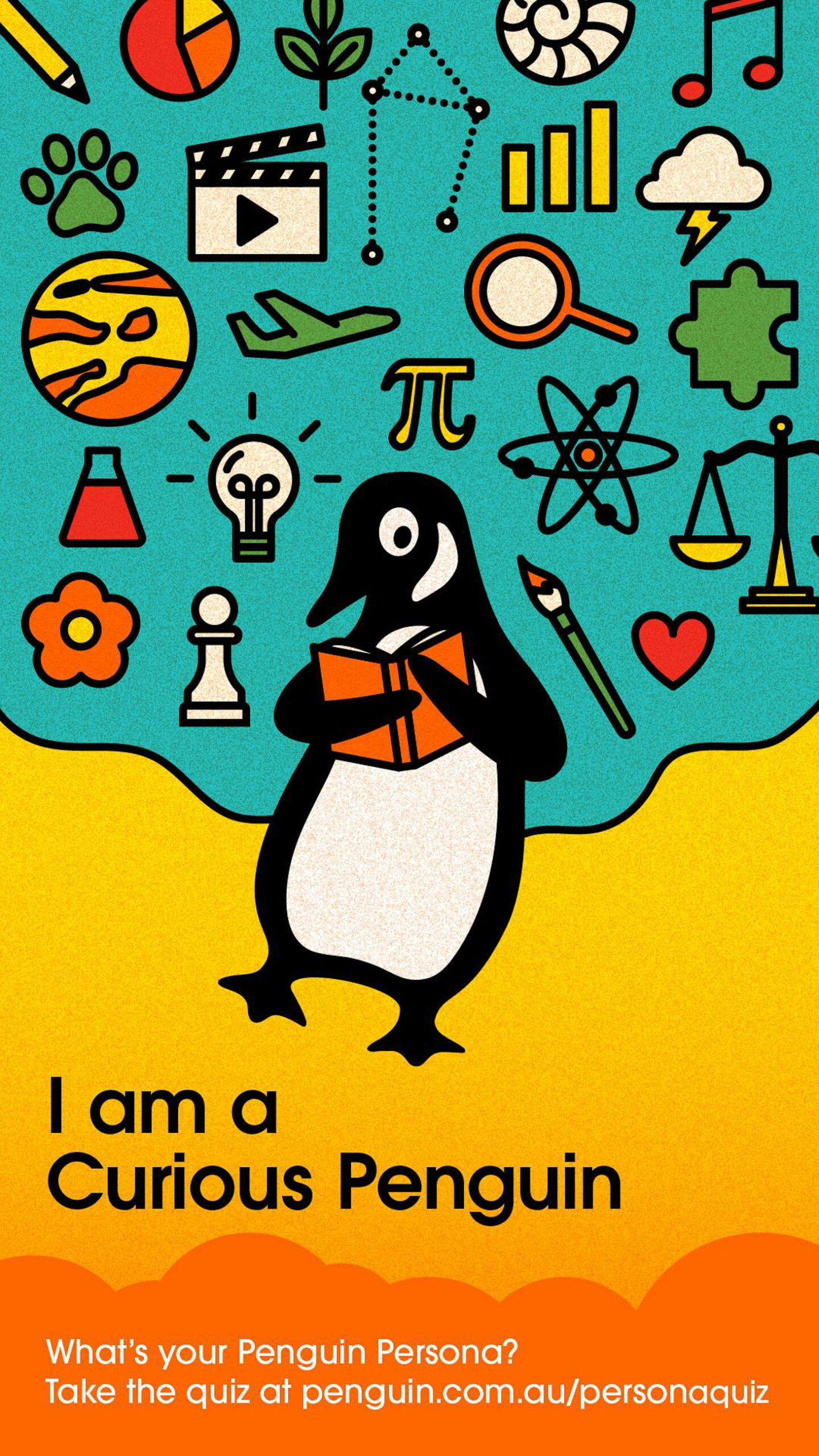
Cute!
Curious penguin is “drawn to ideas that challenge and expand your thinking, you read to learn, reflect and see the world differently. You enjoy books that spark insight, invite questioning and reward thoughtful reading”. I love that!
So I finished the crawl, handed my passport in, got my code for a free audiobook (yay), and went home very happy with my week.
Habit tracker
- Calf exercises (7 days): 7/7
- 15 minutes morning exercise sequence (7 days): 7/7
- Hip lifts (7 days): 4/7
- Hip or shoulder sequence exercises (5 days): 2/5
- Sliding bridge (7 days): 2/7
- Walk (6 days): 4/6
- Thinking time (4 days): 3/4
- Morning planning routine (4 days): 0/4
- Mid-day journalling (7 days): 0/7
- Work shutdown (4 days): 0/4
- 9.30 shutdown (6 days): 2/6
- Evening routine (7 days): 6/7
Summary of the week
A positive thing
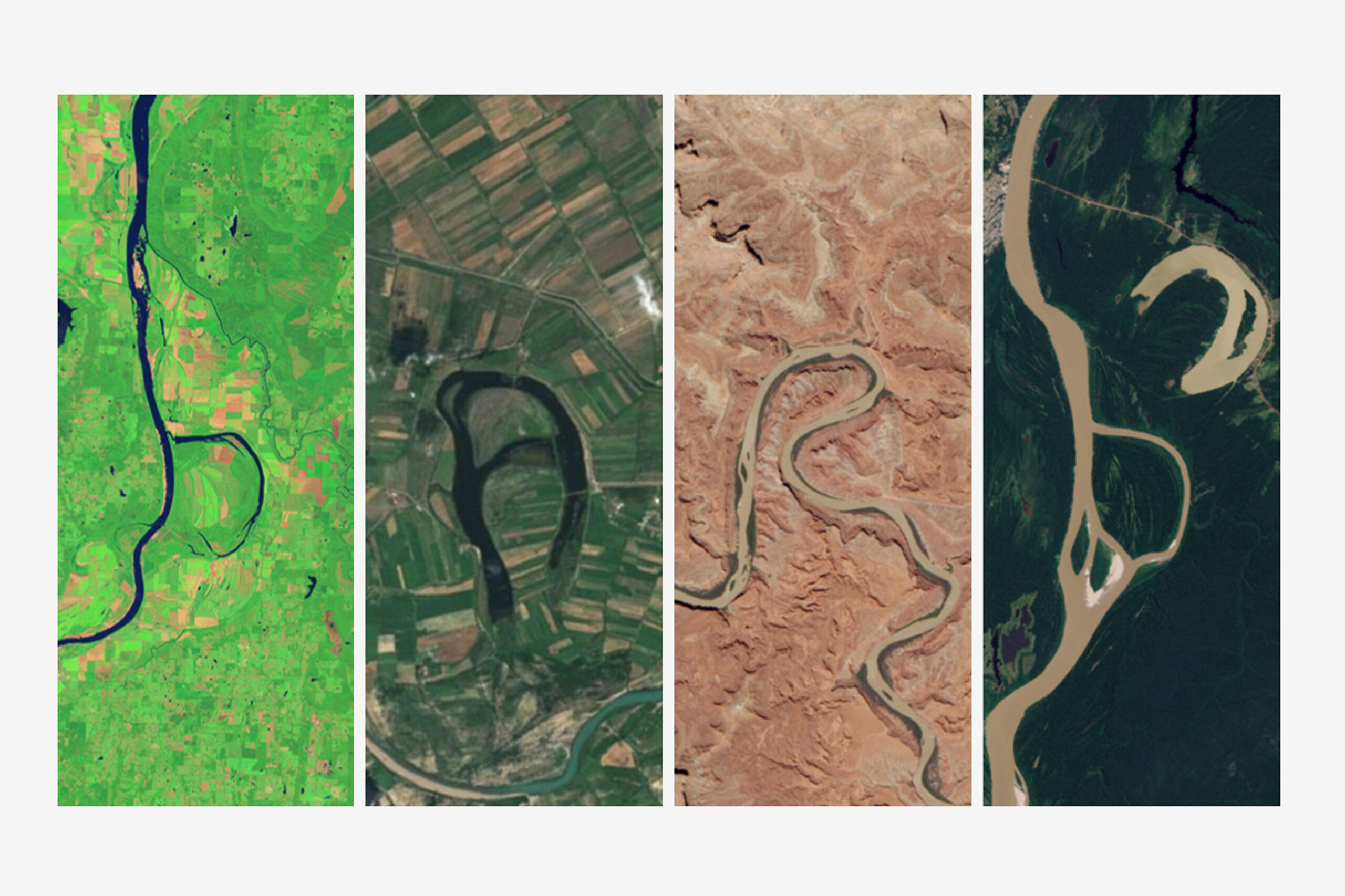
Nasa’s ‘Your name in Landsat’ tool. You can type in your name and see a graphic of your name spelled out in Earth features found in Landsat images.
This week I learned
Miasma theory of disease aka the ‘bad air’ theory was the theory that that airborne vapors or “miasmata” caused most diseases. My reading of this it that undrained sewage water smelt really vile and they thought the foul smell was what caused diseases. I think they were probably half right, but it would have been the cause of the foul smell and the lack of sanitation that caused disease, not the actual smell. However, this theory led to social reforms including improved sanitation, which decreased the number of people with cholera and other diseases in the 19th century.
In EFS Canon lenses like some of mine, EF stands for ‘Electro-Focus’. The S stands for ‘Short Back Focus’. This refers to the rear lens element, which extends further into the camera body than standard EF lenses and allows Canon to make wider and smaller lenses for crop-sensor camera bodies.
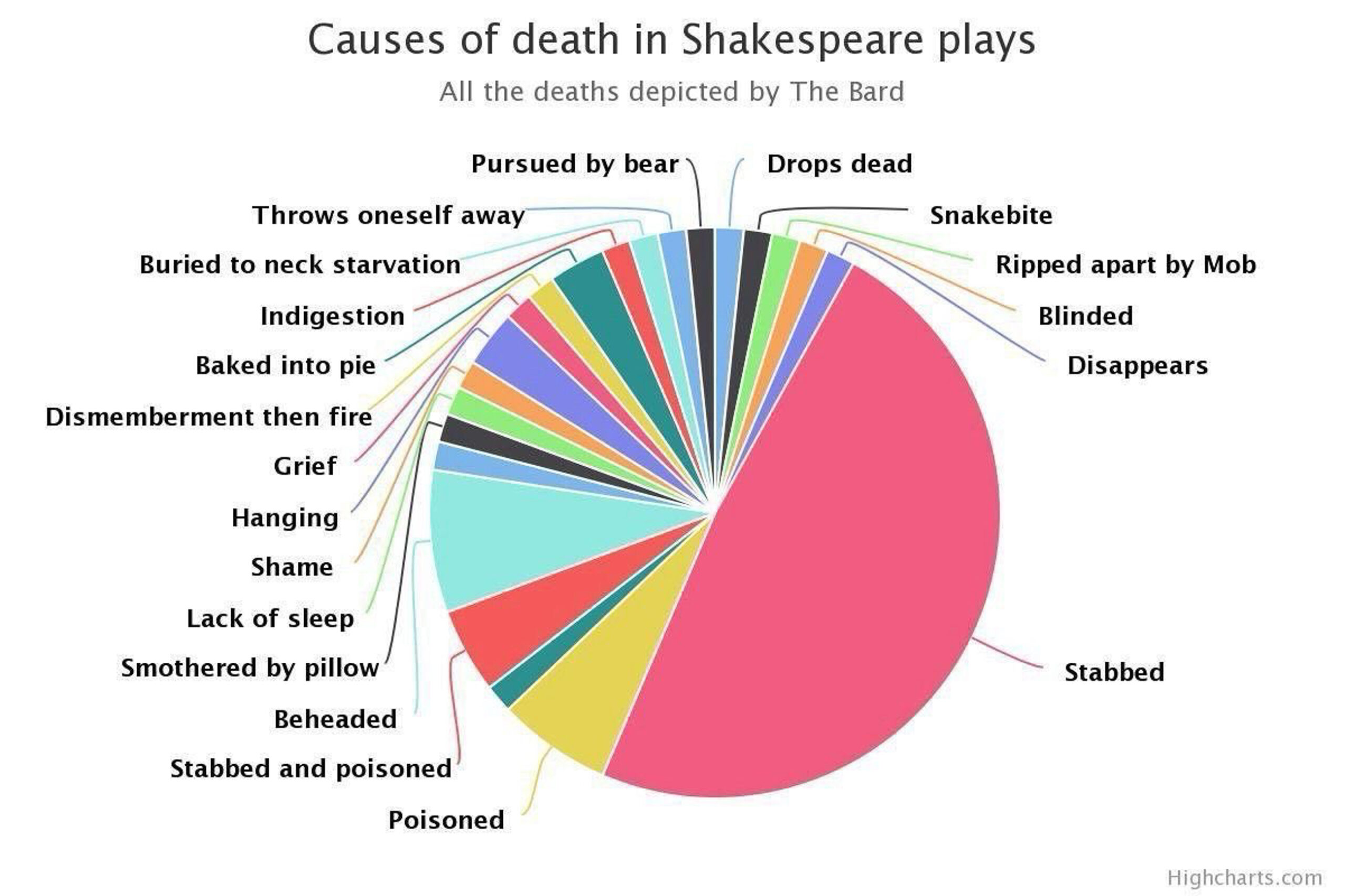
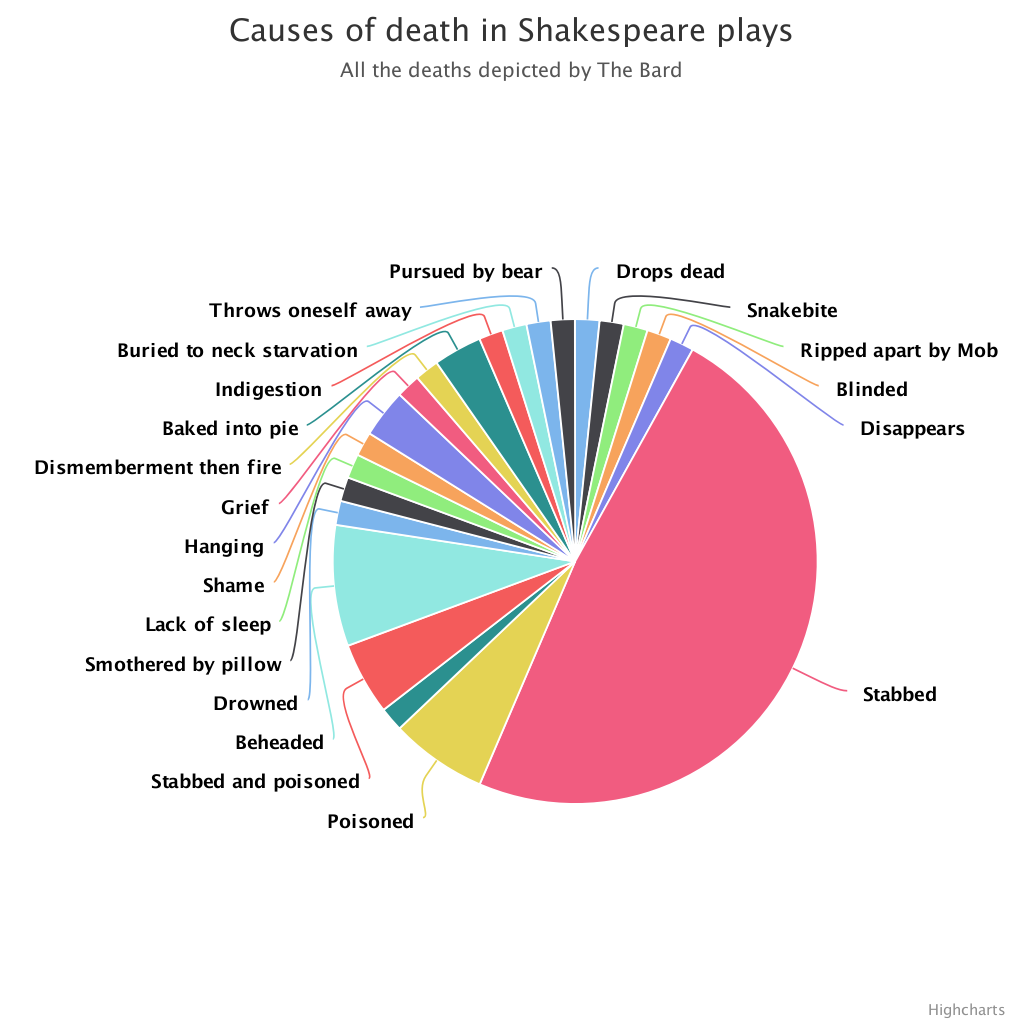
Causes of death in Shakespeare. What would be the most common? Well, stabbed obviously. I don’t know which plays include being baked into a pie but I sure want to find out.
Finally, and unrelated to gruesome literary deaths (I hope), I learned that margarine used to be made from whale oil!
This week I noticed
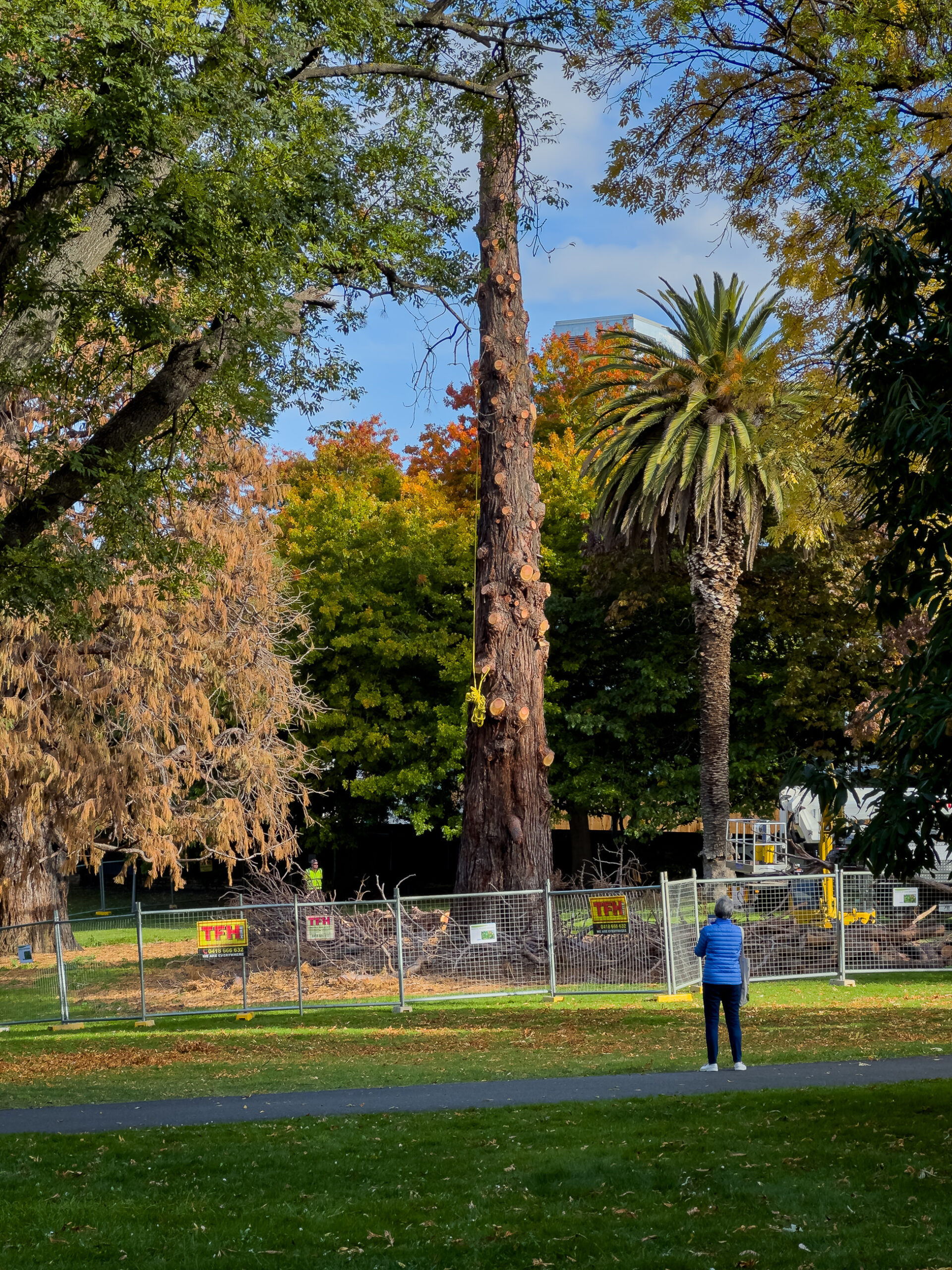
This week, the tree workers removed the Giant Sequoias in St Davids Park.
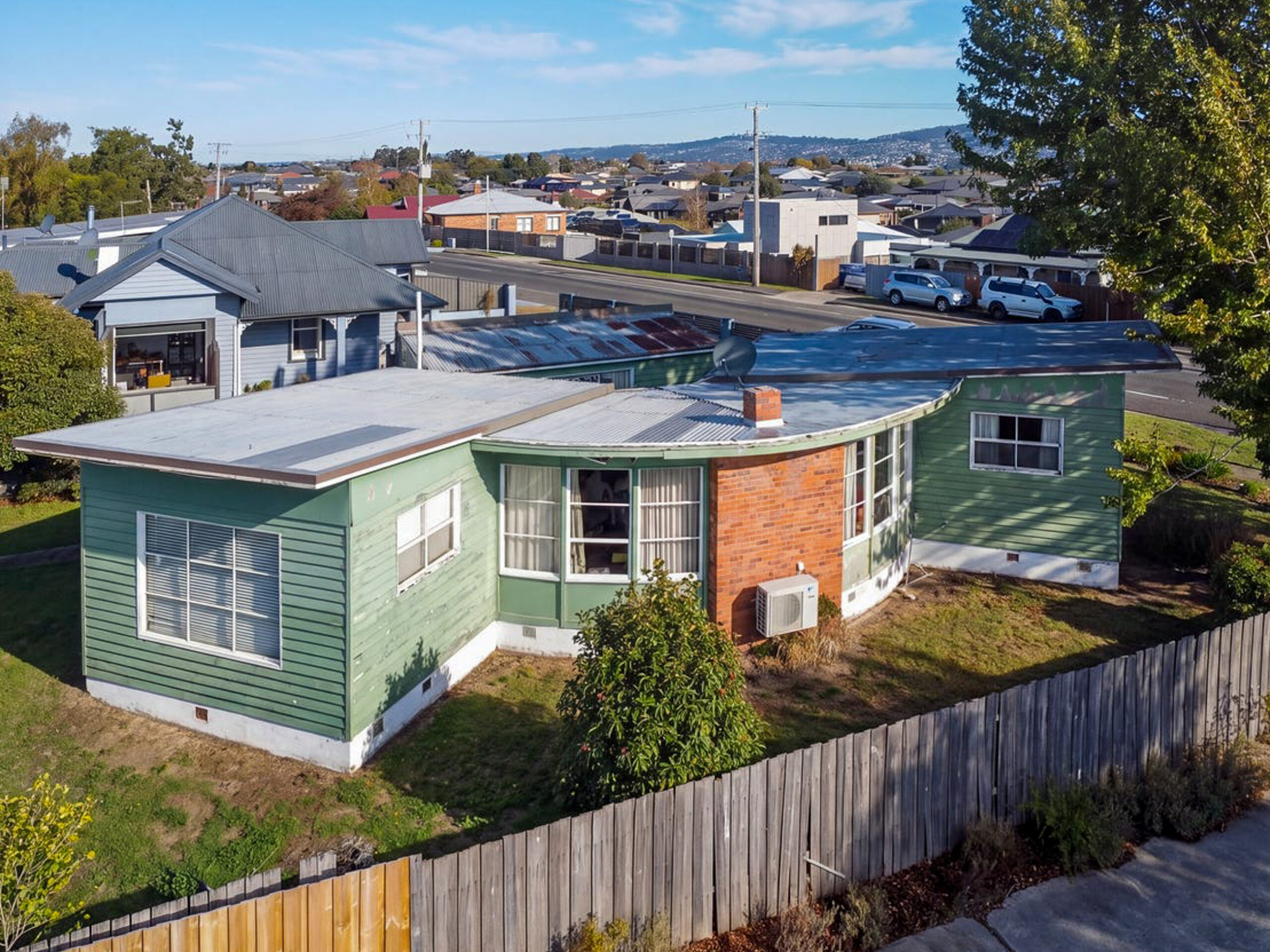
How cool is this house!
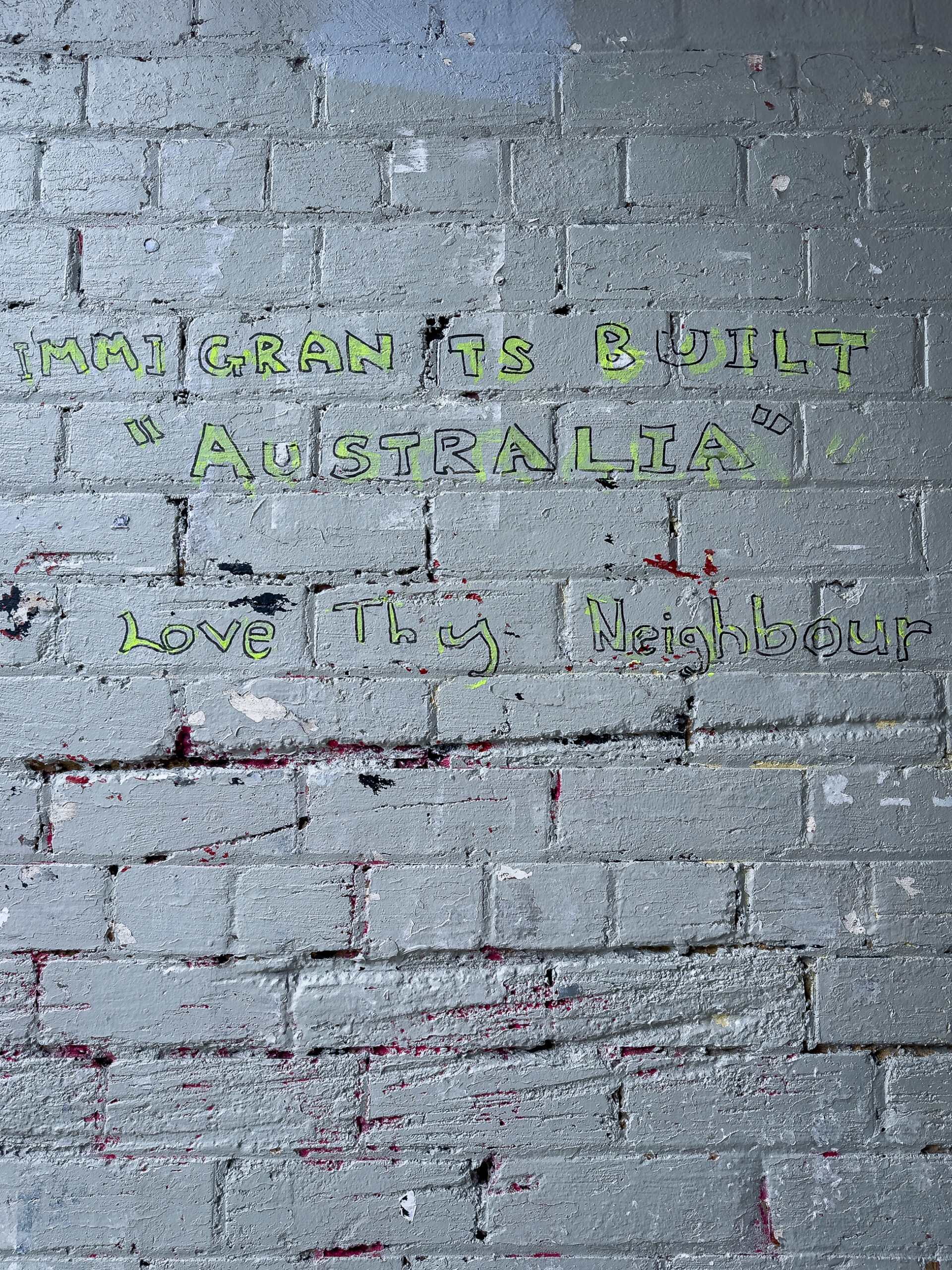
Immigrants built “Australia”.
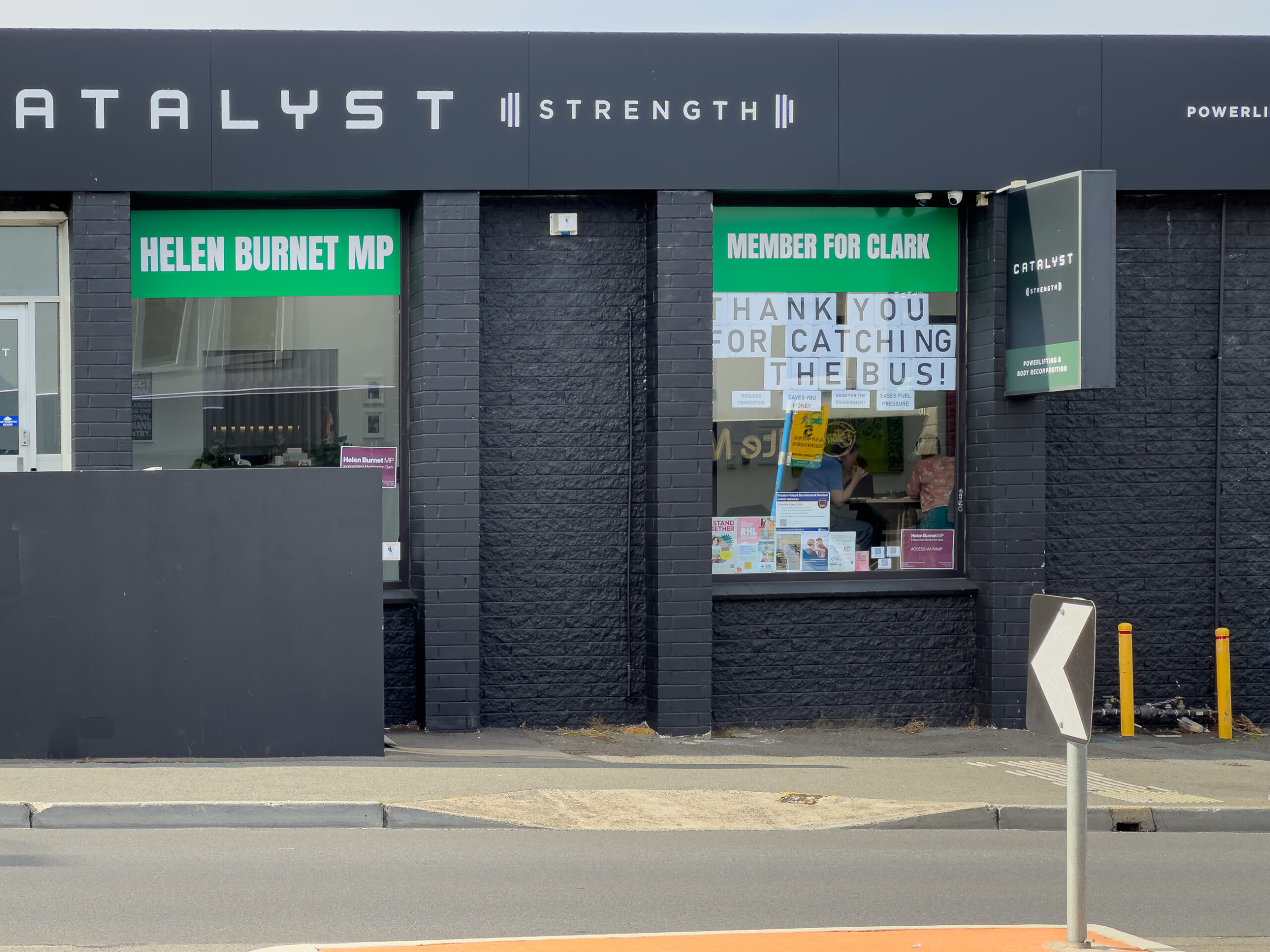
Helen Burnett’s office thanking me for taking the bus.
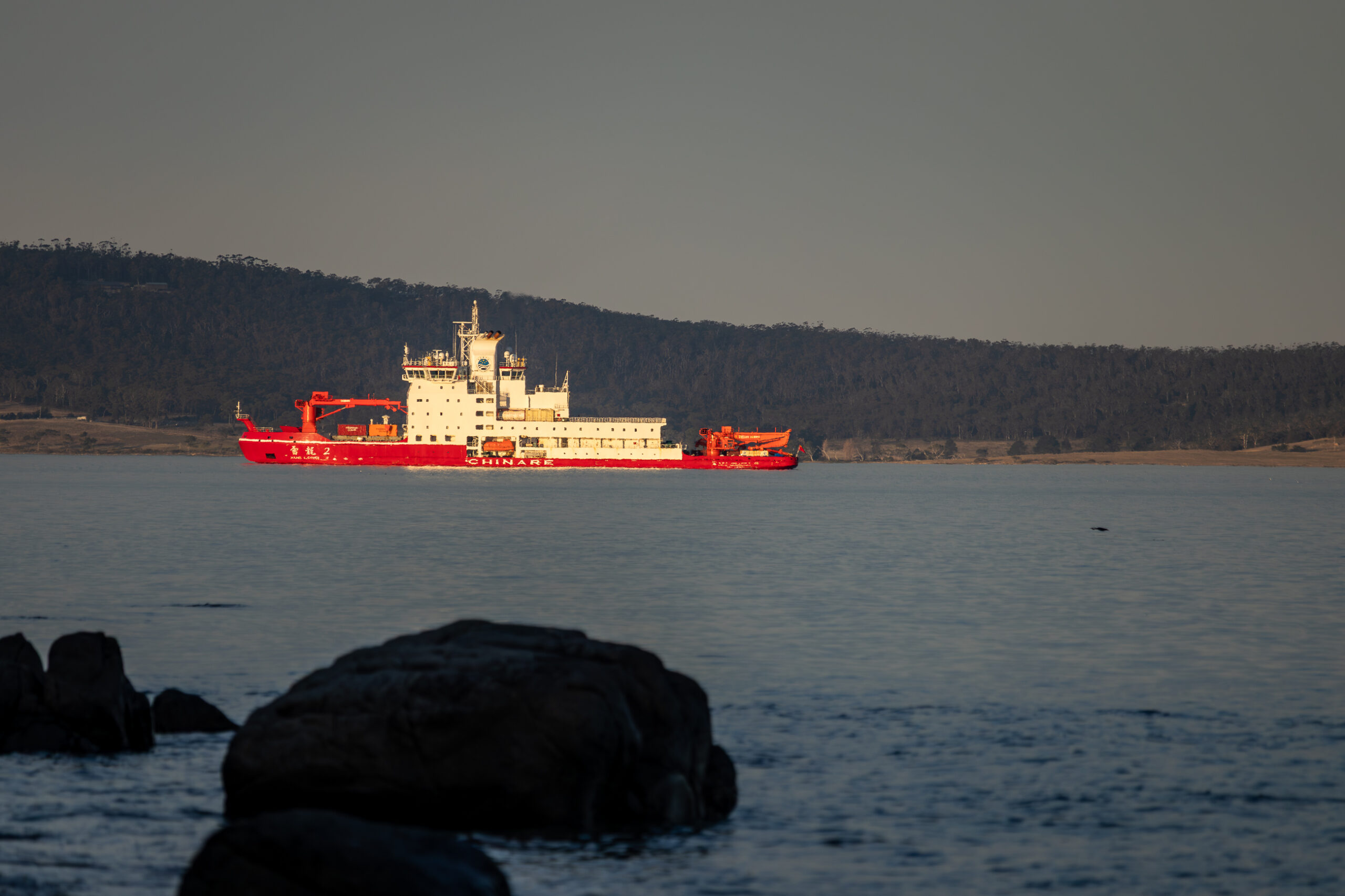
Xue Long 2 parked in the river. Xue Long 2 is a Chinese icebreaking research vessel.
What’s making me think?
It’s not a race.
You are not ahead. You are not behind. You are here.
Enjoy it and make the most of it.
From the Hope Prize on Instagram:
the point of making art is not to be good or bestselling or famous, these things are nice of course, but they do not the point of art maketh. The point of art, is to to try, to tap in, to feel fear, to express, to fail, to learn and to connect.
Reading
- ‘On Duty with Inspector Field’ by Charles Dickens
- William Shakespeare’s Much Ado About Mean Girls by Ian Doescher
- Unruly by David Mitchell
- Much Ado About Nothing by William Shakespeare
- The Psychobiotic Revolution: Mood, Food and the New Science of the Gut-Brain Connection by Scott C. Anderson
Listening
- The World Is To Dig (They Might Be Giants)
- Handel: Concerti Grossi, Op. 3 (Van Diemen’s Band)
Watching
- Resident Alien
- Doctor Who ‘Fury from the Deep’
- Deadloch (Season 2)
About The Author
