Week 04/2026 Not finishing
Week of 19 January 2026
I’ve been reading Meditations for Mortals by Oliver Burkeman, author of Four Thousand Weeks, a book I’ve written about at length on here.
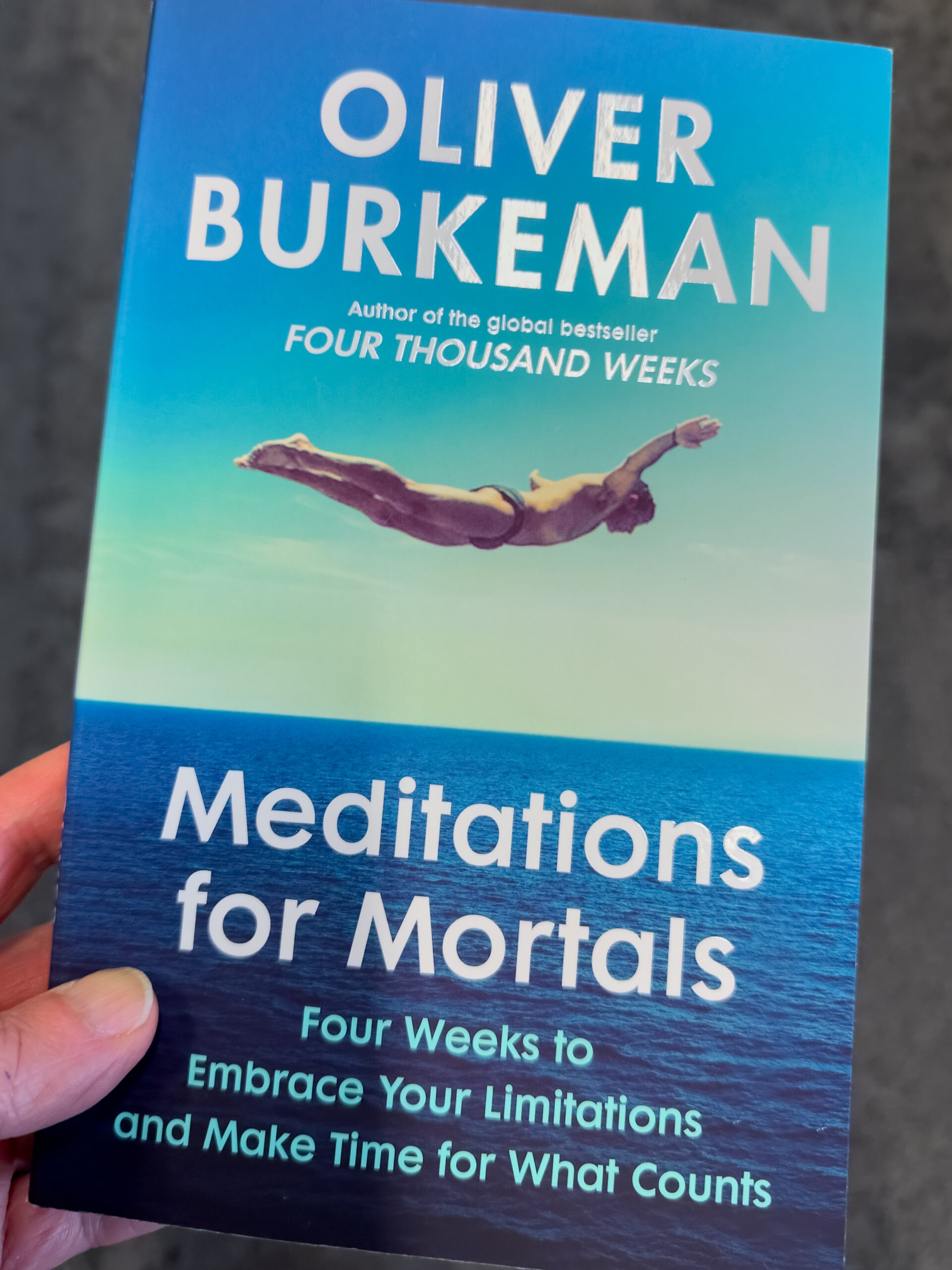
I bought this book when it was first published (I was going to write ‘last year’ but it was 2024), and I never finished it.
Ironically.
This post is wholly researched and written by me. I do not use AI in my writing. I will always bring you my stories in my real human voice.
On not finishing
The chapter from Meditations for Mortals I read on Thursday night was about finishing things rather than leaving them half done. This is something I need to take on board and commit to doing.
I leave things half-done all the time. I have so many half-completed emails, half-finished projects and tasks, and endless lists of things I started and never finished. Even if there’s only one or two small things to do to complete something, it sits there and festers, languishing on my to-do list reminding me of it, along with the many other things I have not finished.
It extends to day-to-day tasks too.
Like washing up everything except for one or two items, which I leave on the sink. Why?
Bringing in half my washing. Why? Putting some of it away and leaving the rest on a chair where it will pile up until the next washing day. Why?
Stopping drafting an email before the final sentence so I don’t send it. Why?
Leaving that one exercise from a writing course that I’ve been stuck on for a month so I never get any further along in the course. Why?
Printing things for a book but never sticking them in and calling the book done. Why?
Getting the print framed and leaving it on the floor instead of getting a hook and putting it on the wall. Why?
Not posting a collection of edited photos on my website. Why?
Sometimes I get to a next step that’s hard and I don’t know what to do (and just so you know what we’re dealing with here, as I was writing that last sentence I got up to get the vacuum cleaner and vacuumed the floor of my room because the specks on the carpet were annoying me, and did I take the vacuum cleaner back down to the cupboard? No I did not. It is still in the hallway and now it’s too late to finish this train of thought because it’s time to start work.)
And so, yes . . .
Not ticking things off the list
Sometimes I won’t tick something off unless I know that it is, and will be forever, 100 per cent complete and it will never need revisiting. Because if I don’t leave it open and unfinished, I can never go back and change it. Or I believe I haven’t done a good enough job of it to give myself the satisfaction of ticking it off. Or that if I wait a bit longer, some new, vital insight or piece of information will come to me that I need to do the thing differently or better. So it’s best to leave it unfinished.
Or, as I said above, sometimes I don’t finish the thing because I’ve got to a step that’s hard or inconvenient or I just don’t know how to do it, so the whole thing grinds to a halt.
An example. I wanted to fix holes in some of my favourite socks, and I’d asked the sock manufacturer what to do about the holes and whether they offered a repair service. They said no, but they could send me some yarn and I could get them darned. All I had to do was let them know which colours I needed and send them a couple of photos of the damaged socks.
Pretty easy, right?
This thing got transferred from my to-do list every year from 2020 to 2026, and the damaged socks stayed sitting in a box in my hallway, all because that step of taking a couple of photos and replying to their email was too hard.
There are many things like this on my list. They require me to do one small action to keep them moving so they can get done, but the friction of doing that thing is too great and I don’t do it, so these things hang around forever.
In Meditations for Mortals, Oliver Burkeman suggests that repeatedly starting things but rarely finishing them is “a recipe for misery”.
He says this leads to getting fewer things done, because at the first sign of a road block you can run off and work on one of your many other unfinished things (because there are SO MANY UNFINISHED THINGS or hey! why not start a new thing?) You never build a record of achieving things so in the end you become “filled with self-loathing, and overwhelmed by the number of unfinished items on your plate”.
This doesn’t sound like me at all . . .
So what to do about it?
Redefine what ‘done’ is
Oliver says one idea is to redefine what counts as done. Break the big thing into smaller things that you can actually do in the time you have available to work on it, then work on that small thing until it’s done.
Take the photos of the socks. Done. Tick it off the list.
This is not a new concept. Productivity experts love this one. It reminds me of how they say we need to not confuse projects and tasks. A thing that has more than one action is a project, not a task. So, for example, fixing the socks is not a task. It’s a project. You can’t ‘do’ the project, you can only do the tasks, which might be:
- get the socks out of the box and put them somewhere there’s enough light to photograph them
- take photos of the socks (preferably at the same time I get them out so they don’t sit in that place for months before I actually do this step)—and then put them back
- download the photos to my computer
- open the email from the sock people that I have to reply to
- type my reply and attach the photos
- send the email (do not worry about what the last line should be. “regards” is enough)
- once I have the yarn, contact my sister to arrange to go see her so she can show me what to do with the sock
- and so on . . .
But . . . I knew all of this already. I’d taken photos of the socks. A couple of times. They were already on my computer. Somewhere. But I’d got stuck on the step that was “open the email from the sock people that I have to reply to” and the next couple of steps involved with sending the email.
I got stuck on that step for six years.
I finally did it a couple of weeks ago. I sent the email.
Why did that take me six years?
I don’t know.
Completing things gives you energy
Moving on . . . Oliver says completing things gives you energy to move onto the next thing, instead of sighing and putting the email back in your draft folder for the tenth time so you can continue to worry about it.
Sigh.
I get this. I really do. “Self-loathing” might be a little extreme, but I don’t feel great about it.
Then sometimes there’s times when I get to a point where it gets a bit harder to finish a thing. Or I don’t know. I just feel like doing something else. So instead of finishing the blog post I get up and vacuum the floor, or instead of getting all the washing off the line I think I’d rather be working on the blog post so I just get some of it, or instead of taking all the dishes out of the dishwasher I need to go out to see the chickens right now. Or I just had an idea for a different blog post and I need to go and work on that one now. (I did.)
What is going on there?
And why can’t I finish this post?
I’ve gotten distracted off the main thread here, which was about not finishing things.
And I’m going to leave this post unfinished because I don’t know what I need to do to wrap it up.
Habit tracker
Existing habits
- Go outside first thing (7 days): 7/7
- 15 minutes morning exercise sequence (7 days): 7/7
- Hip exercises (5 days): 6/5
- Walk (7 days): 7/7
- Carry a notebook with me when I walk (7 days): 7/7
- Thinking time (4 days): 7/4
- Morning planning routine (4 days): 4/4
- Mid-day journalling (7 days): 5/7
- Work shutdown (4 days): 4/4
- 9.30 shutdown & dim lights (7 days): 7/7
- Evening routine (7 days): 7/7
My experiments
Days out of 30 I have got up at the alarm: 19/21
Summary of the week
Some positive things
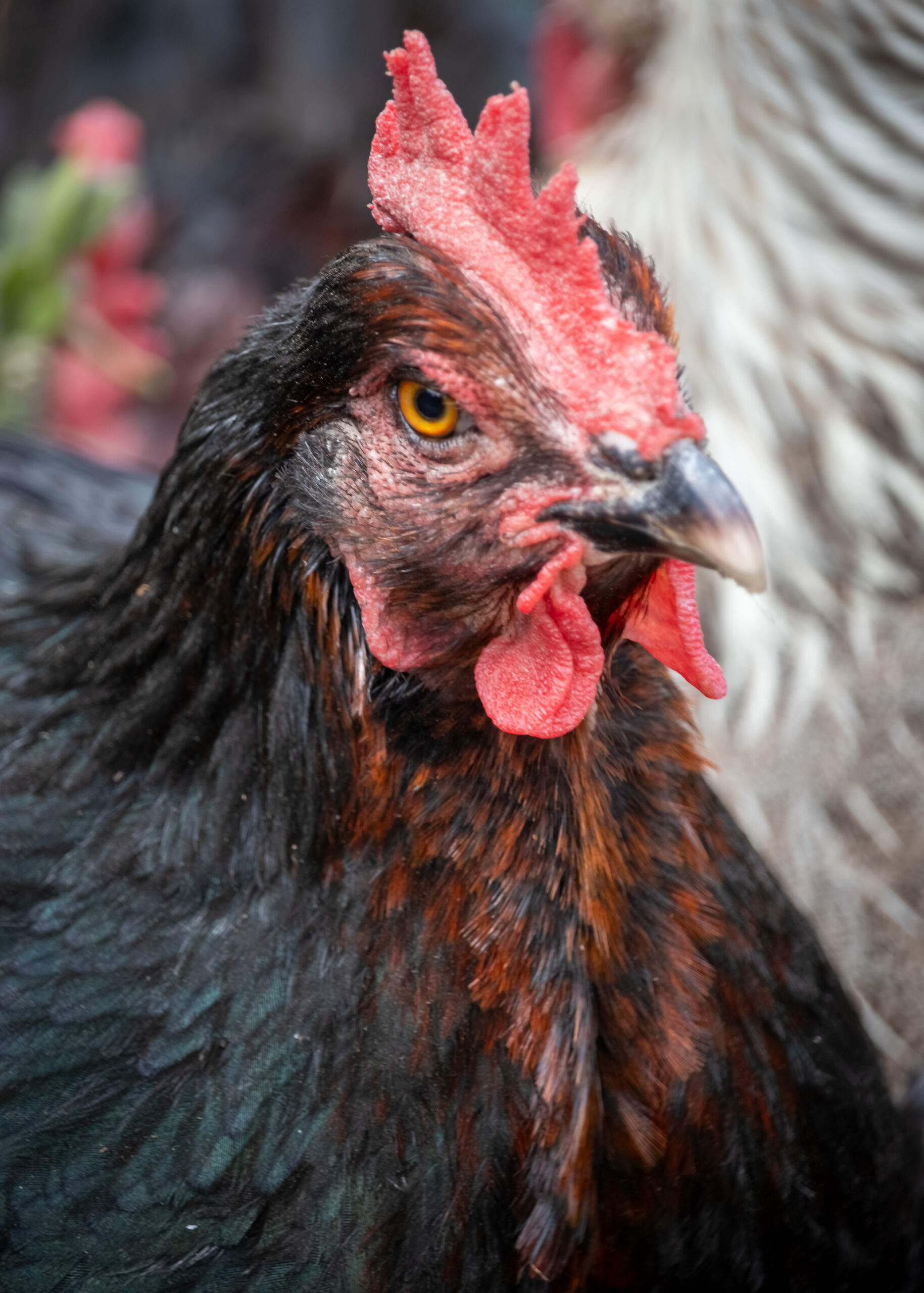
Here’s a photo of a chicken.
In a win for people power, the owners of Sydney’s Queen Victoria Building withdrew their application to replaced the building’s coloured glass windows with clear glass.
They wanted to remove the coloured glass to make the stores more “visually attractive and effective spaces for prospective tenancies”. (AKA the stores wanted clear glass to make their products more visible, even though most of the coloured glass is decorative and sits above the ground and floor level shop windows so people can see inside the stores perfectly well.)
According to the ABC, the coloured glass was installed in the 1980s based on the original stained glass windows, and forms part of the building’s heritage listing.
The people have spoken and said they won’t stand for it. People: 1. Big retail: 0.
This week I learned
Busiate
Busiate is a kind of pasta from Sicily, which is formed by twisting strands of pasta dough around a skewer or something similar so it ends up looking a bit like a telephone cord. According to our Italian pasta supplier, the Italian nonnas make it by twisting it around knitting needles.
Cats’ meat
Related to my upcoming university course, a social media post from my lecturer informed me that in the mid-1800s, ‘cats’-meat men’ would wander the streets of London selling their meat.
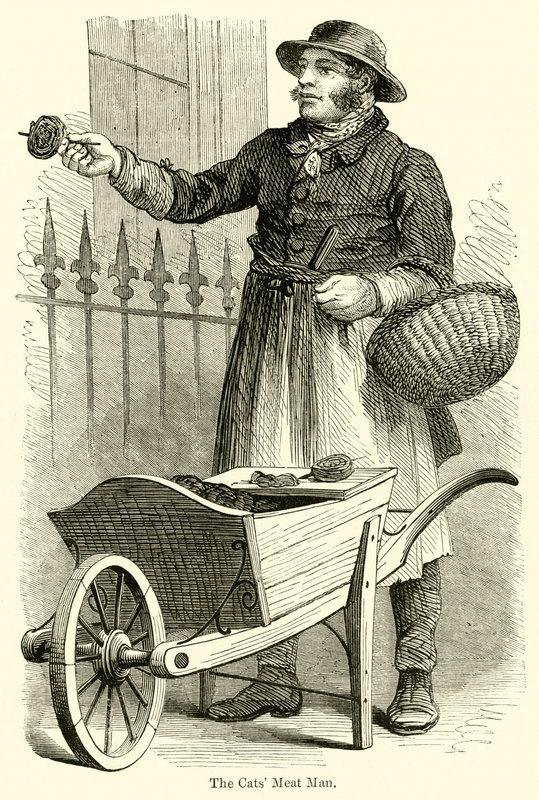
I thought this meant they were selling cat meat for human consumption and I had no idea it was actually horse meat sold FOR cats.
It was basically the beginnings of the modern pet food industry, as cats began to be kept as pets rather than rat catchers.
I followed this up on the London Museum blog where I learned that, according to Victorian social researcher Henry Mayhew, there were around 1,000 cats’ meat sellers in London in 1861, and about 300,000 cats – one for every house (allowing for multiple cats in some homes, plus strays). Each cats’ meat seller had their own route that covered a few hundred households, with the cats very aware that the appearance of the cats’ meat man meant it was dinner time.
This week I noticed
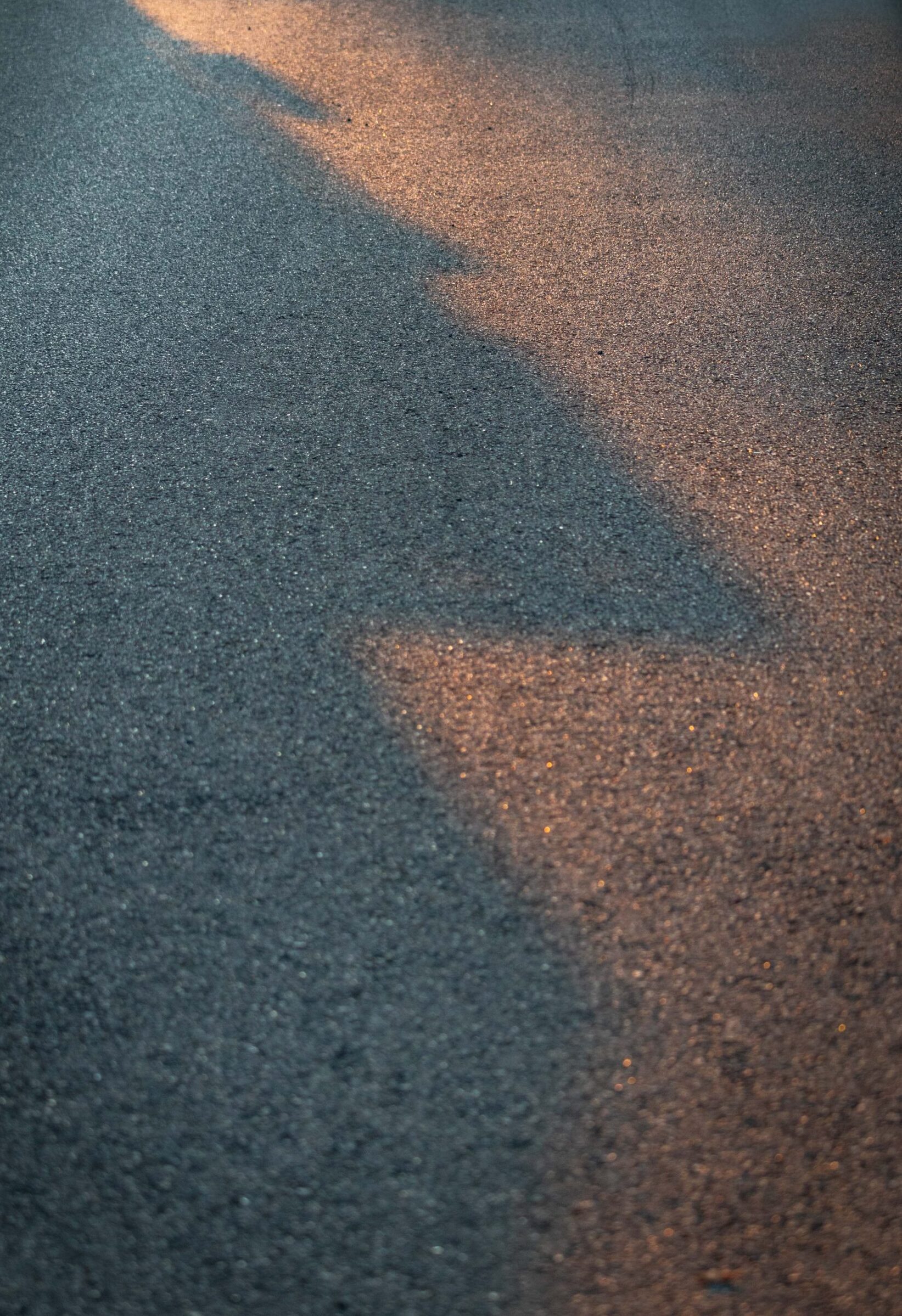
Cool light on the road that disappeared as I walked past.
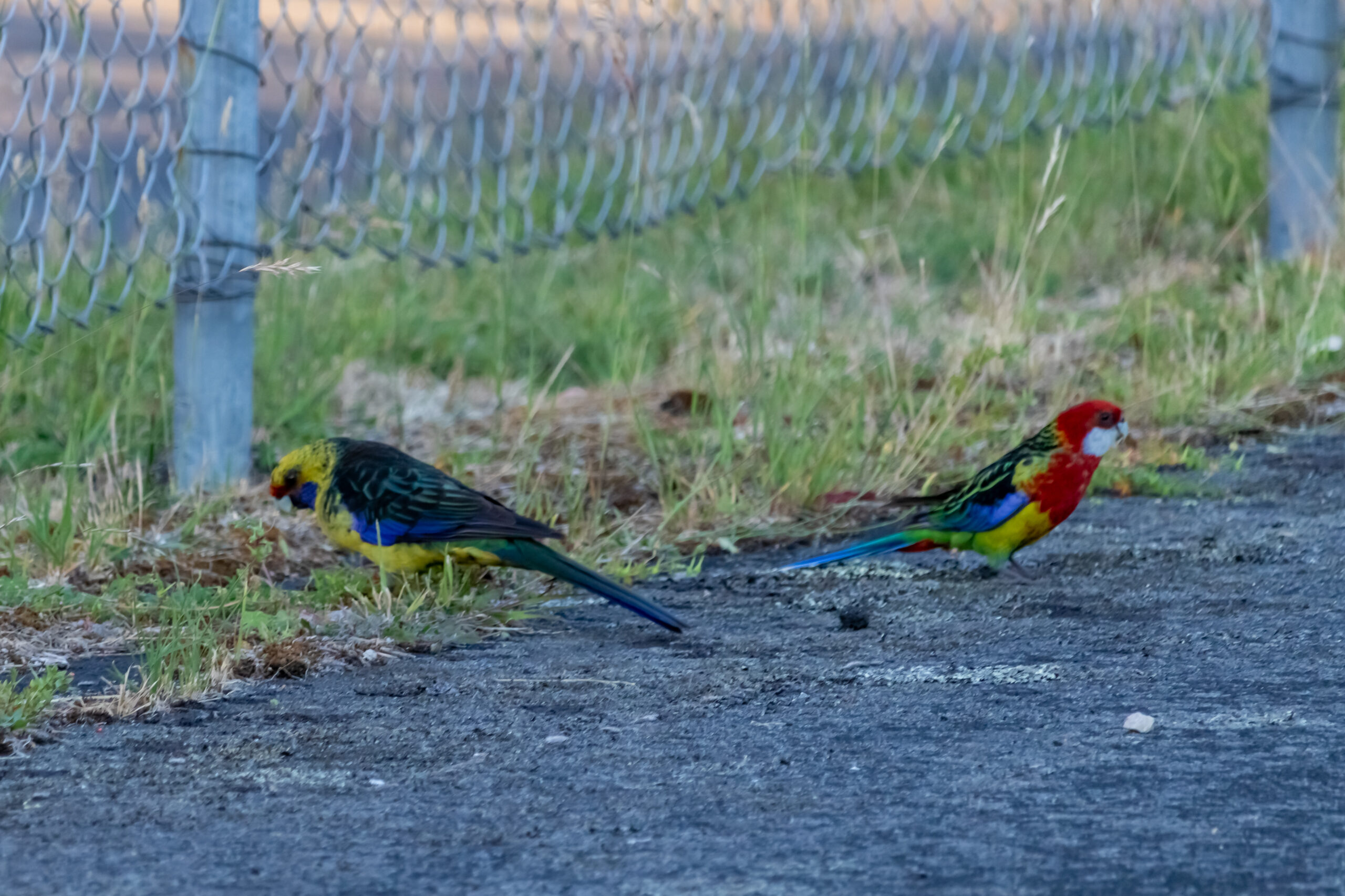
I thought I saw two green rosellas on the ground, but as I got closer I realised it was a green one and one with a red face, which I think is an eastern rosella. I’ve not seen that before. I’ve seen green rosellas in pairs but never a green bird hanging with a different type of rosella.
Interesting.
What’s making me think?
The Canadian Prime Minister Mark Carney’s speech at the Wold Economic Forum:
“We are in the midst of a rupture, not a transition. . . . The old order is not coming back. We should not mourn it. Nostalgia is not a strategy. But from the fracture, we can build something better, stronger and more just.”
James Clear:
“The ultimate form of preparation is not planning for a specific scenario, but a mindset that can handle uncertainty.”
To me that relates to the chapter in Meditation for Mortals about crossing that bridge when you come to it. In this chapter, Oliver Burkeman suggests that the worry we feel about potential future events comes from a need to control the outcome and to know that (a) we will be able to deal with it and that (b) it will all work out okay.
He says spending time worrying now doesn’t change what will happen and whether we can deal with it but it does rob us of the experience of living our lives right at this moment.
Reading
- Meditations for Mortals by Oliver Burkeman
- Romeo and Juliet by William Shakespeare
- Close Reading for the Twenty-First Century edited by Dan Sinykin and Johanna Winant
- The Visual Imagination by David duChemin
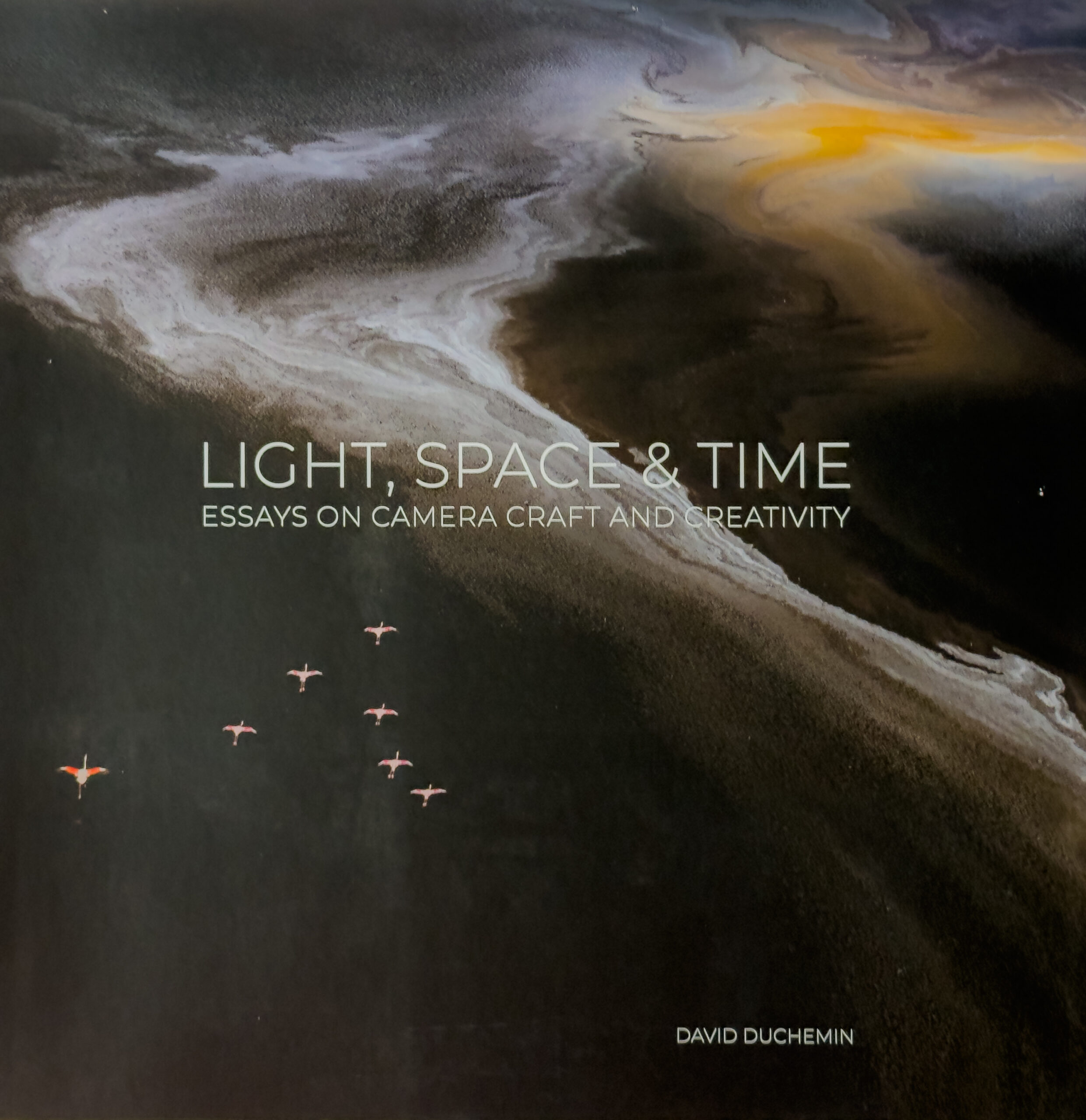
- Light, Space & Time: Essays on Camera Craft and Creativity by David duChemin
Listening
- Hip Hop Elevation: Pure Vibes by Binaural Beats Brainwave
- Shrek the Musical Soundtrack
- They Might Be Giants: Eyeball
Watching
- Resident Alien
- Sarah Millican: Late Bloomer
- Doctor Who ‘The Faceless Ones’
About The Author
