Week 03/2026: Morning walks
Week of 12 January 2025
This was my first full week back at work. I was in the office four days out of five this week, which was exhausting.
This post is wholly researched and written by me. I do not use AI in my writing. I will always bring you my stories in my real human voice.
Morning walks
I saw this week as the first test of whether my attempt to restart my morning walks was going to stand up to being in work mode rather than holiday mode.
Part of the reason I want to re-establish this habit is to try and get my sleep back under control. If you remember from what I learned from sleep physiologist Stephanie Romiszewski’s material, it’s important to get up at the same time every day and to go outside, get some light and move your body first thing in the morning.
Obviously in Tasmania, getting light exposure at 6 am only works in the summer months, so this is a good time to try and re-start the habit.
And on the days I don’t leave for town early, I can take the camera too.
And photos







Habit tracker
Existing habits
- Go outside first thing (7 days): 6/7
- 15 minutes morning exercise sequence (7 days): 6/7
- Walk (7 days): 7/7
- Carry a notebook with me when I walk (7 days): 7/7
- Thinking time (4 days): 4/4
- Mid-day journalling (7 days): 6/7
- 9.30 shutdown & dim lights (6 days): 6/6
- Evening routine (7 days): 4/7
New habits
- Set timer for morning planning (5 days): 5/5
- Work shutdown (5 days): 3/5
- Days out of 30 I have got up at the alarm: 12/14
Summary of the week
This week I learned
If you want your phone to charge, you need to turn the charger on at the power point . . . . . . . . . .
I watched a recording of a webinar about disability in the workplace that I missed last year.
- They were talking about labour force participation by people with disability and said in 1993 it was was 54.9%. That means around 55% of people with disability of working age were participating in the labour force. In 2012 it was 52.8% and in 2018 it was 53.4%. That is, it didn’t change much between 1993 and 2018, despite the introduction of the internet and assistive technology. It went up to 60.5% in 2022, which is a step in the right direction, but they said this is in part due to changes in the way data is captured.
- The presenters noted that by not employing people with disability, employers are failing to benefit from access to the entire labour force market, of which around one in six have a disability.
- Disability is a part of being human. Most of us will experience it either directly or indirectly in our lifetime.
- In the age 65 to 69 age group, 4/10 people have a disability. In the age group 75 to 79, it’s more than one in two (53.4%). So chances are when you’re over 65, you or someone you live with will have a disability. For older people who live as a couple, there is a 73% chance one of them will have a disability.
This week I noticed
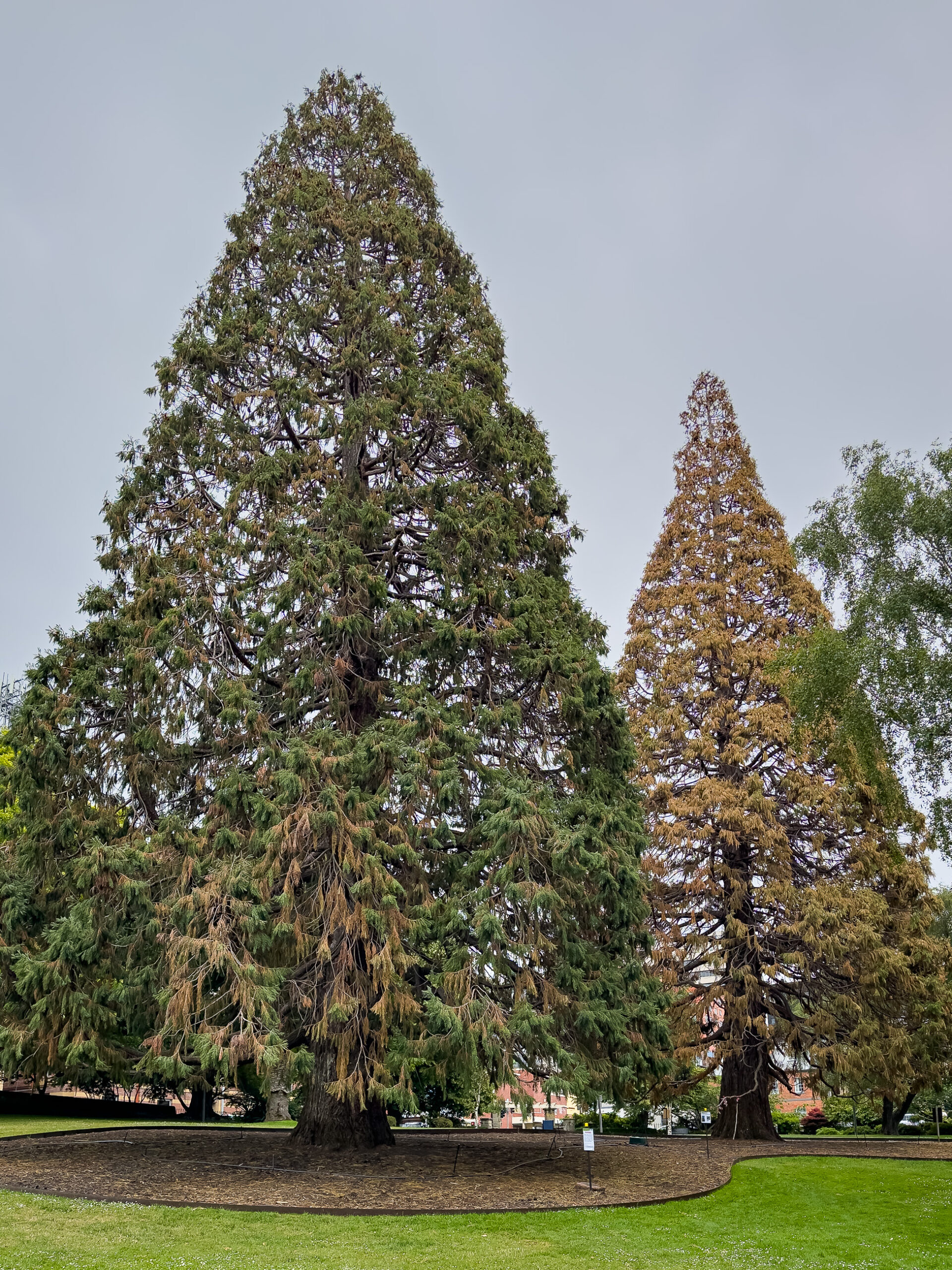
I noticed the plaque in the ground near the dying sequoias in St David’s Park that says they were planted by the Lord Mayor in May 1937 to commemorate the coronation of King George the 6th and Queen Elizabeth.
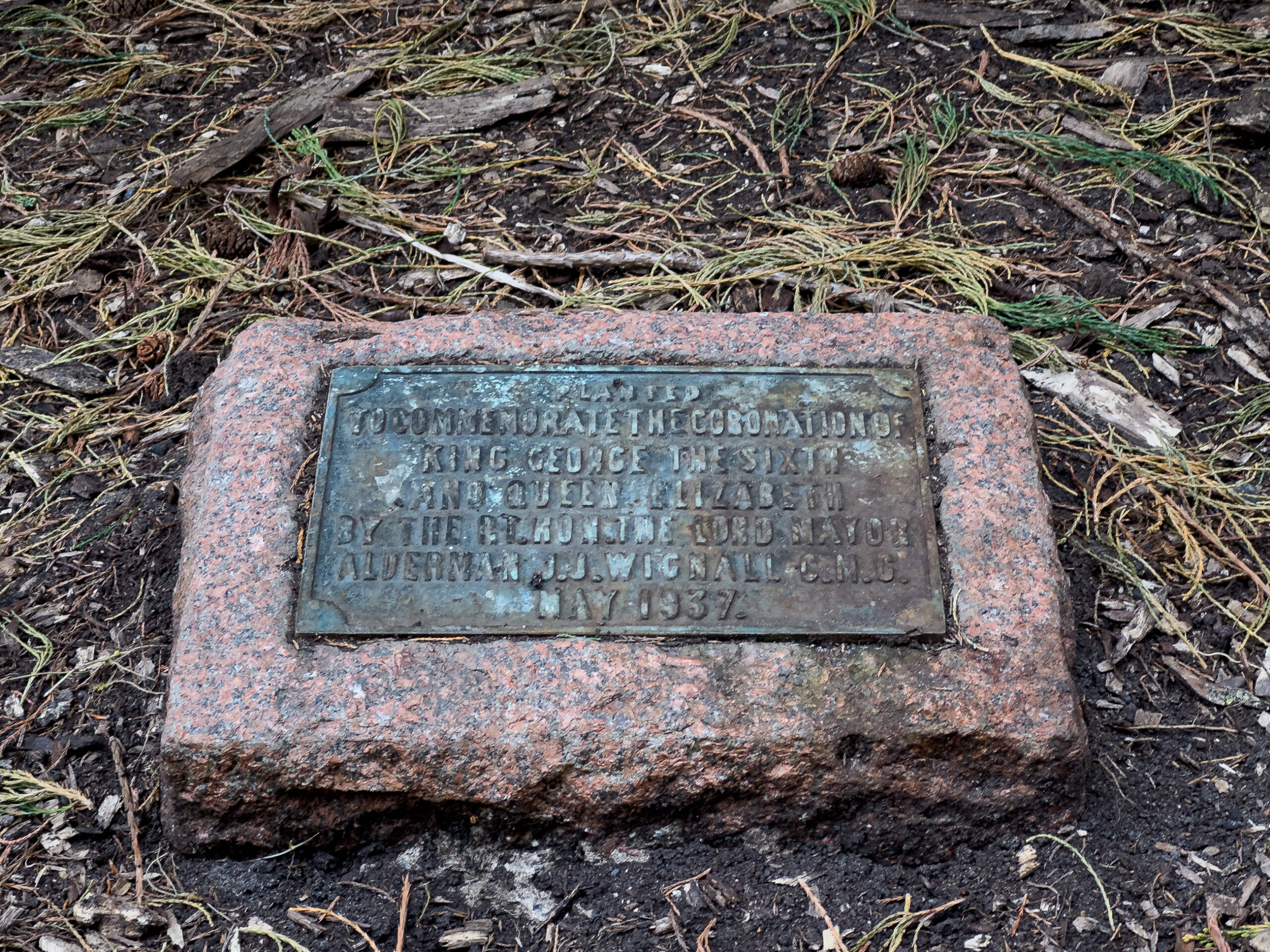
Weird to plant a tree that is from neither England nor Australia for this purpose. Perhaps, since these trees can live for 3000 years, they were intended to symbolise the enduringness of the monarchy. (I’m not sure that’s actually a word . . . . . . )
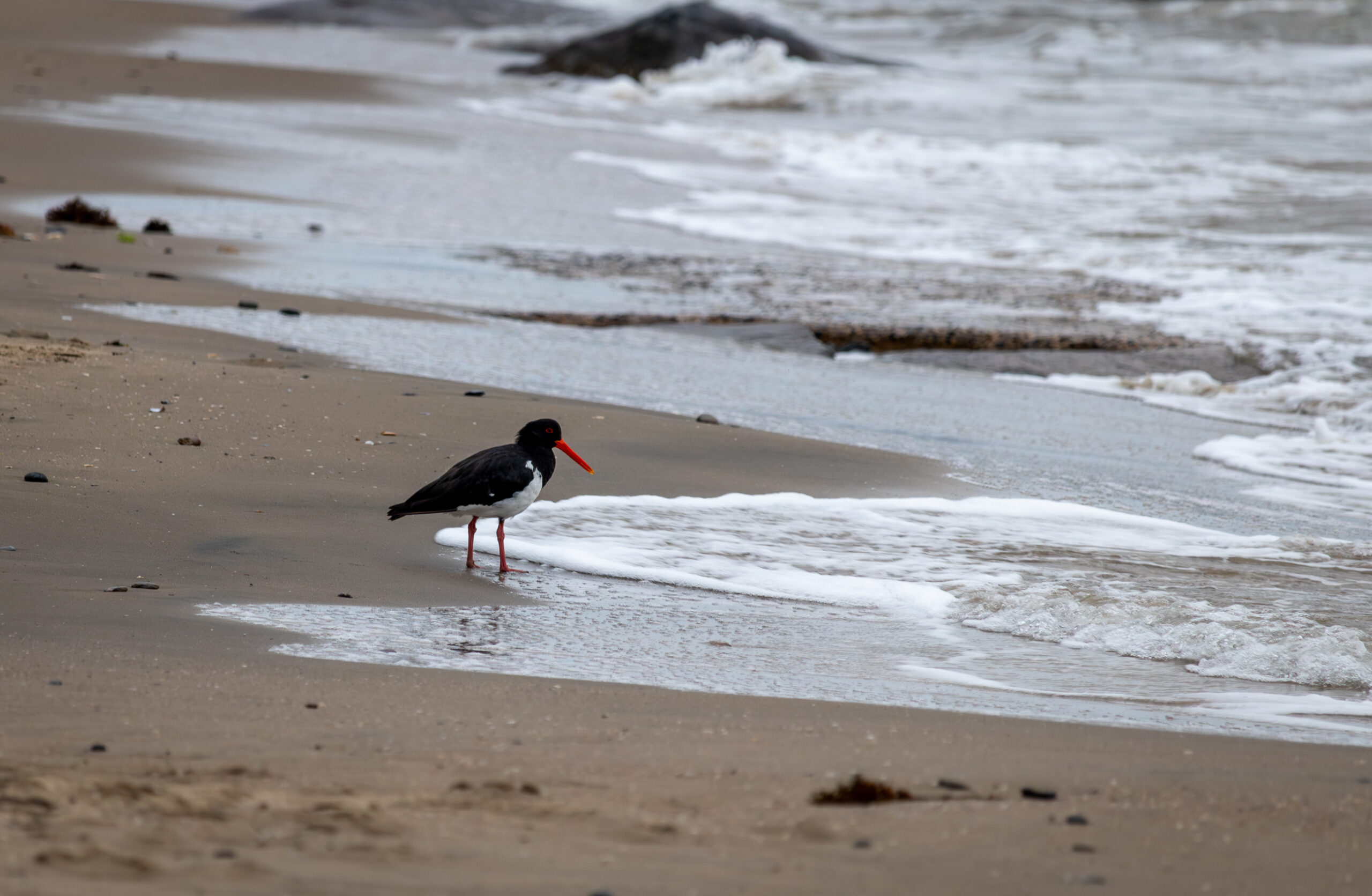
This bird on the beach that I thought was a plover/masked lapwing from behind at a distance. It very clearly is not.
What’s making me think?
Irrelevant speech
I saw a post on Instagram (from @konsta.reeels) that made a lot of sense to me. In part it said,
The «Irrelevant Speech Effect» is actively destroying your cognitive capacity. A Cornell University study shows that your brain cannot filter out half-heard conversations because it is evolutionarily wired to prioritize human speech over static tasks. You are not tired at 5 pm because of the workload; you are exhausted because your auditory cortex has been fighting a defensive war against noise for eight hours.
I couldn’t find study from Cornell University but I did find a study from some Finnish researchers, who found
Irrelevant speech presented at a moderate level (50 dB LAeq) impaired performance, worsened experience, and increased physiological stress compared to the quiet condition without speech (35 dB LAeq).
They concluded that “working during speech is clearly stressful, reduces performance, and causes annoyance, workload, and a less pleasant sound environment, which cannot be corrected by practice or habituation. Therefore, the exposure to irrelevant speech should be minimized in workplaces where people must perform cognitively demanding tasks.”
I am sure office planners know this and do not give a shit.
Other things
1. Church of Jeff (@jeffowski) on a social media platform, not sure which one:
The underlying purpose of AI is to allow wealth to access skill while removing from the skilled the ability to access wealth.
2. A report on the ABC: “flash flooding along Victoria’s Great Ocean Road has seen caravan parks inundated and cars swept to sea after thunderstorms and torrential rain battered Victoria’s south-west”. I suppose at some point the cost of dealing with climate disaster after disaster will be greater to The Economy than the cost of trying to prevent said disasters from happening. Which will, of course, be way too late. But, The Economy.
3. Sam Harris:
You get more of what you click on. If you don’t like what you’re getting, chances are you are paying attention to the wrong things.
Reading
- Romeo and Juliet by William Shakespeare
- Close Reading for the Twenty-First Century edited by Dan Sinykin and Johanna Winant
- Meditations for Mortals by Oliver Burkeman
Watching
- Resident Alien
- Doctor Who ‘The Faceless Ones’
Listening
- Even in Arcadia by Sleep Token
- The Greatest Showman Soundtrack
- Jam Sessions: Acoustic Covers by Andrew Marshall
- Take Me Back To Eden by Sleep Token
- Birna by Wardruna
- Hip Hop Elevation: Pure Vibes by Binaural Beats Brainwave
About The Author
