Week 21/2026: Queer as art
Week of 18 May 2026
This week I went to the QUEER AS ART exhibition at Salamanca Social.
This post is wholly researched and written by me. I do not use AI in my writing. I will always bring you my stories in my real human voice.
Queer as art
QUEER AS ART is a queer artist collective in Lutruwita/Tasmania, which aims to
- enhance the presence of queer visual art in the Tasmanian community and art scene
- counteract the isolation felt by queer artists and members of the LGBTIQ community in general
- support its member artists, established and emerging
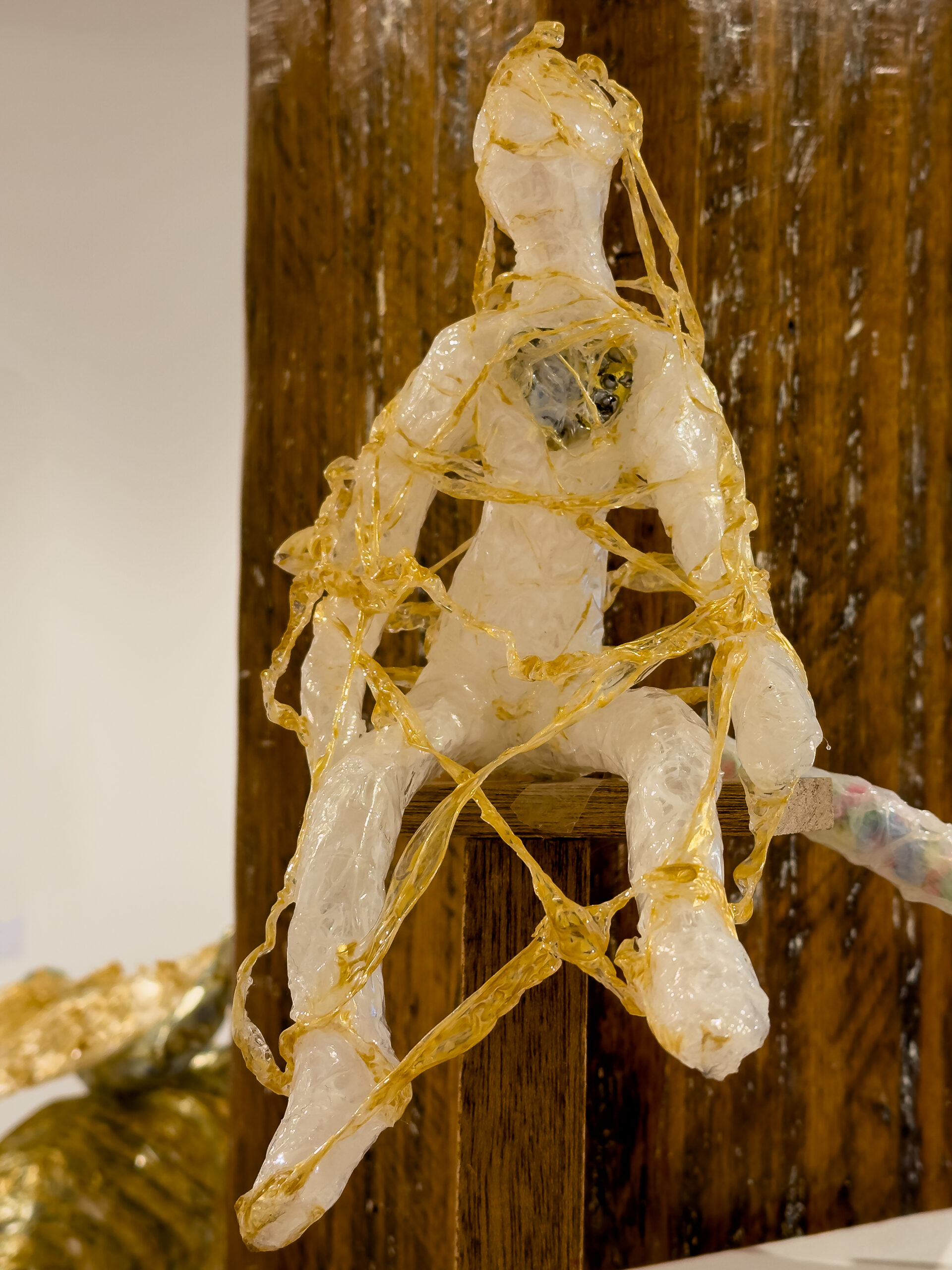
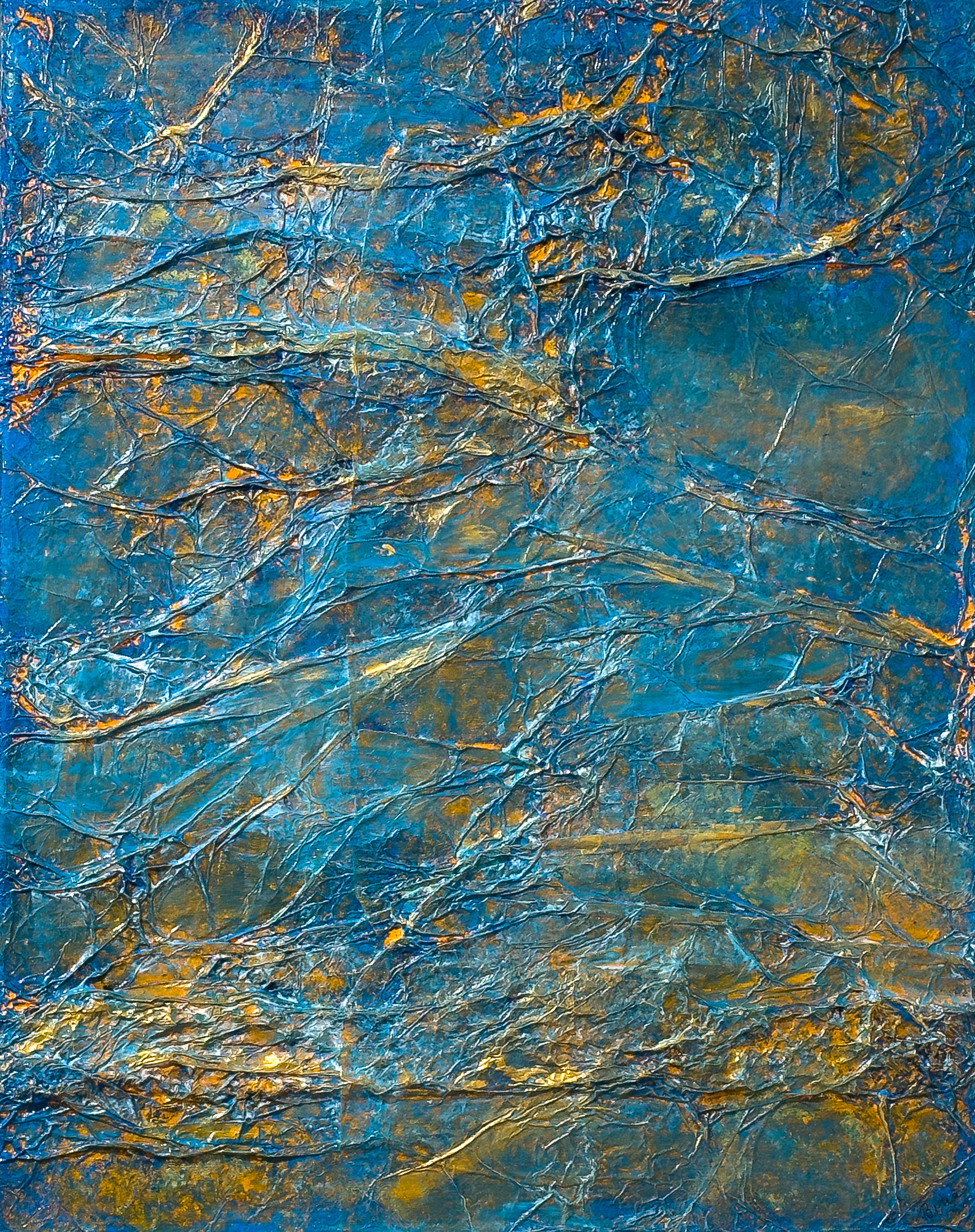
Here are some of the pieces I liked.
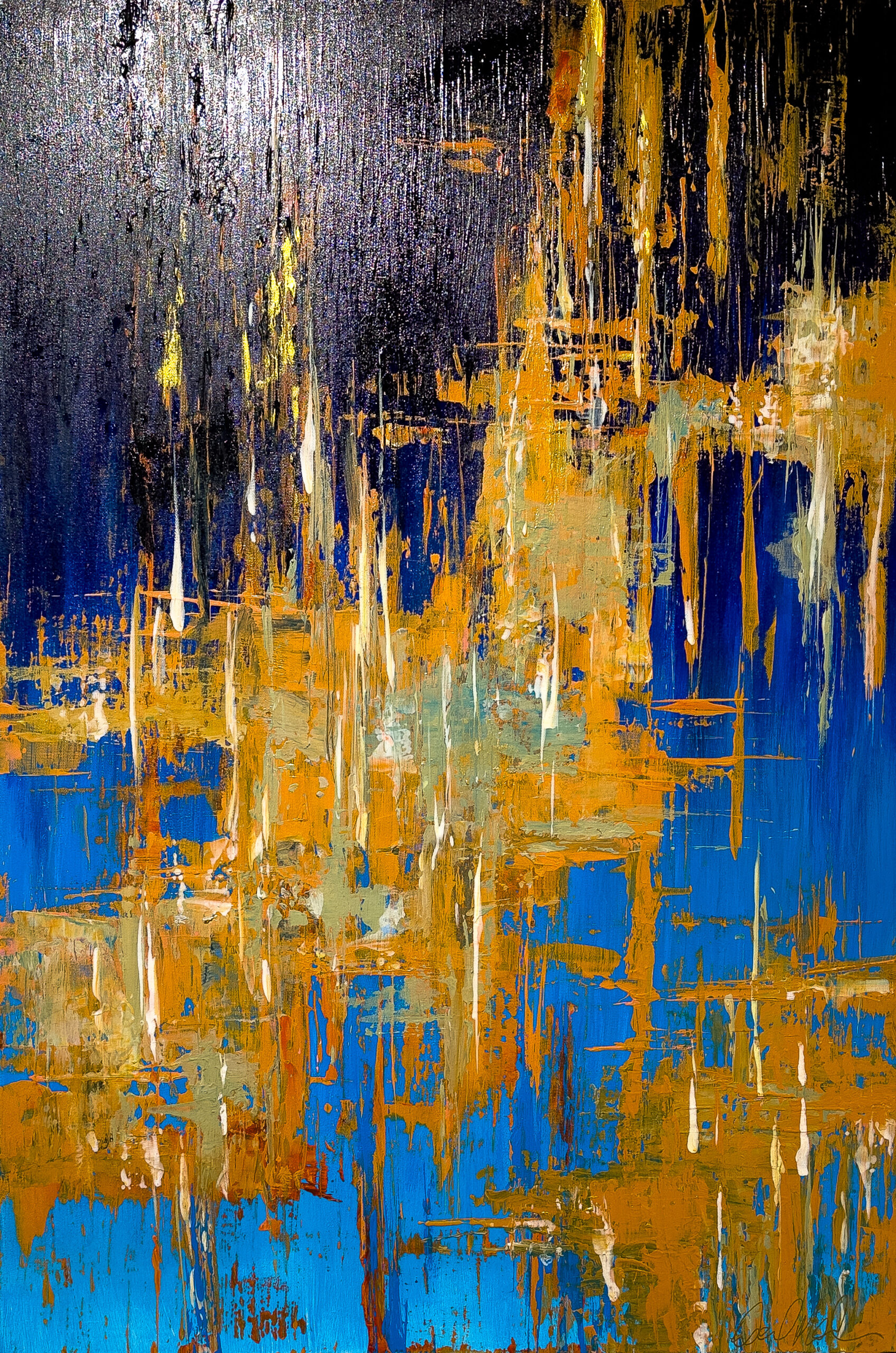
“Landscape Three” made me think of standing between tall buildings and looking up, though the artist David Malone said it reminds him of an industrial site.
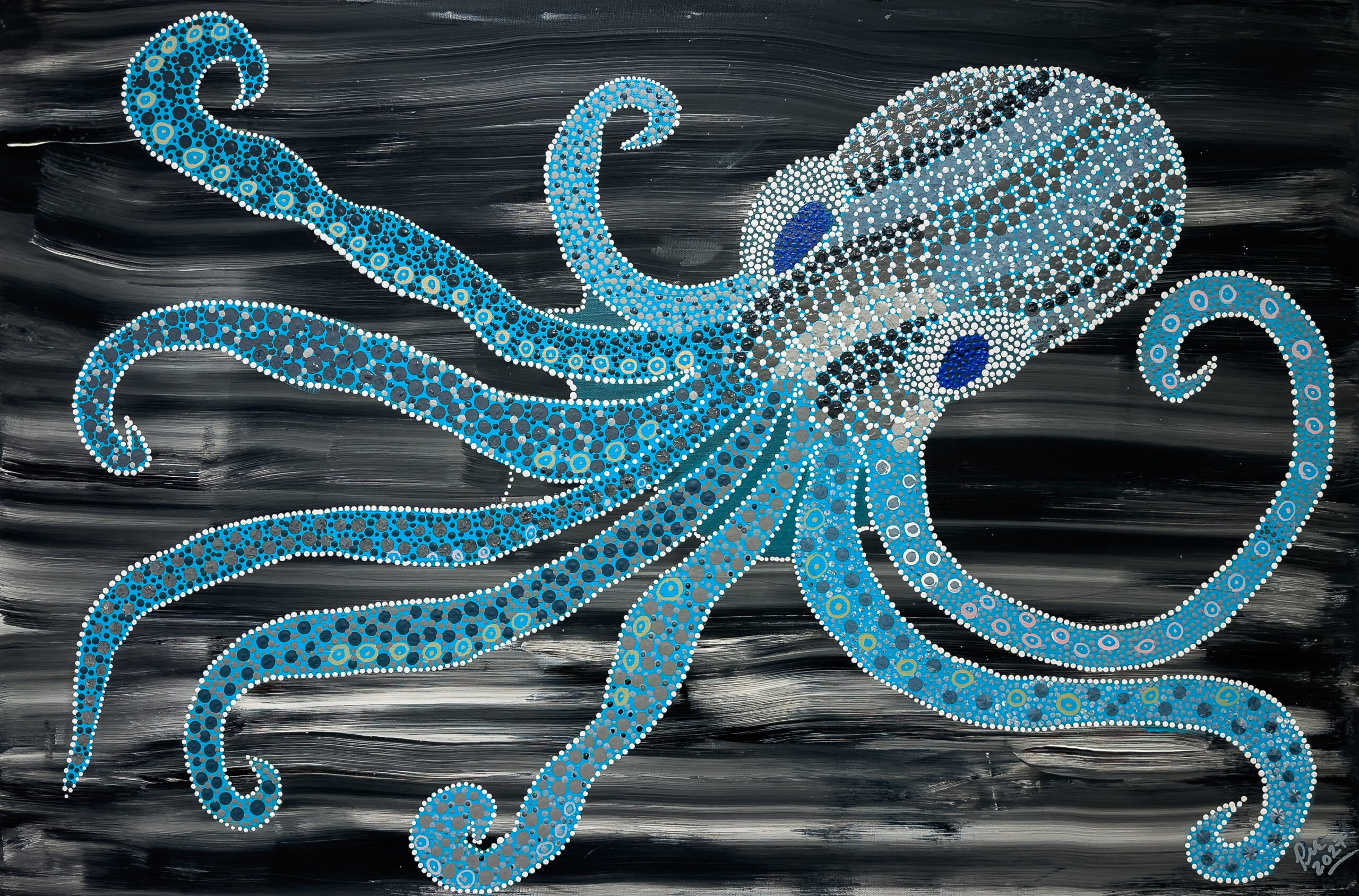
Paul Mabb says he is fascinated about how octopuses can adapt to different environments and get in and out of very tight spaces.
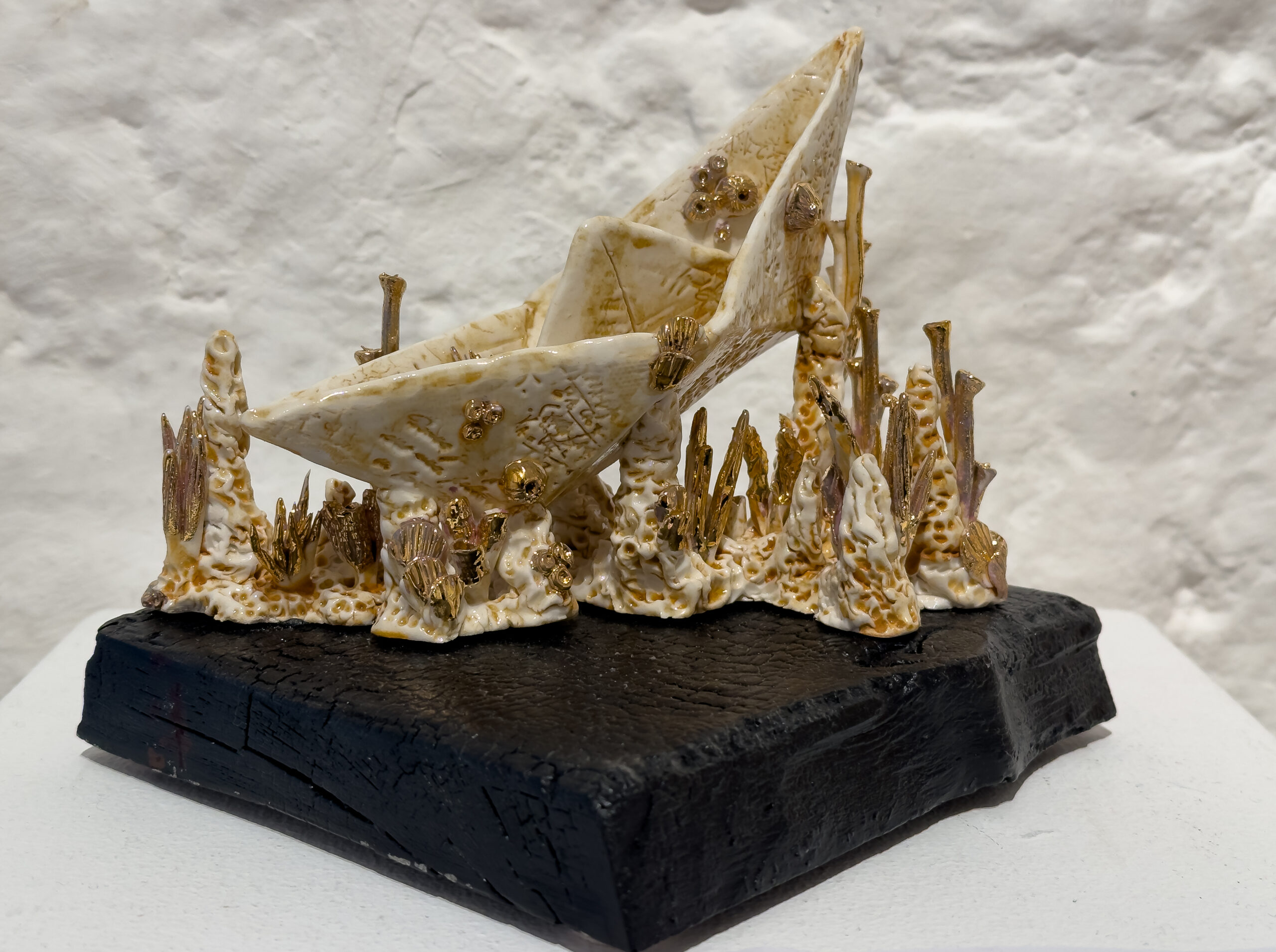
I remembered seeing some of Nikki Johnston’s sculptures in the exhibition last year.
Habit tracker
- 15 minutes morning exercise sequence (7 days): 5/7
- Physio exercises (7 days): 5/7
- Walk (7 days): 5/7
- 9.30 shutdown (6 days): 1/6
Summary of the week
Some positive things
The discussions in my uni tutorials this week about Dracula were fun.
I also listened to the Save Me from My Shelf podcast episode about Dracula, which was very enjoyable.
This week I learned
I saw this article from Tasmanian Times about an area in Tasmania’s north west called Magnet. It says that while the Van Diemen’s Land Company was surveying Tasmania’s north-west wilderness in the early 19th century, one of their officers, Henry Hellyer, noticed that his compass was behaving strangely due to magnetic interference. This resulted in the area becoming known as Magnet (original). A large sliver-lead deposit was discovered here in 1881 and commercial mining began in 1890. By 1941, the site was abandoned.
This week I noticed
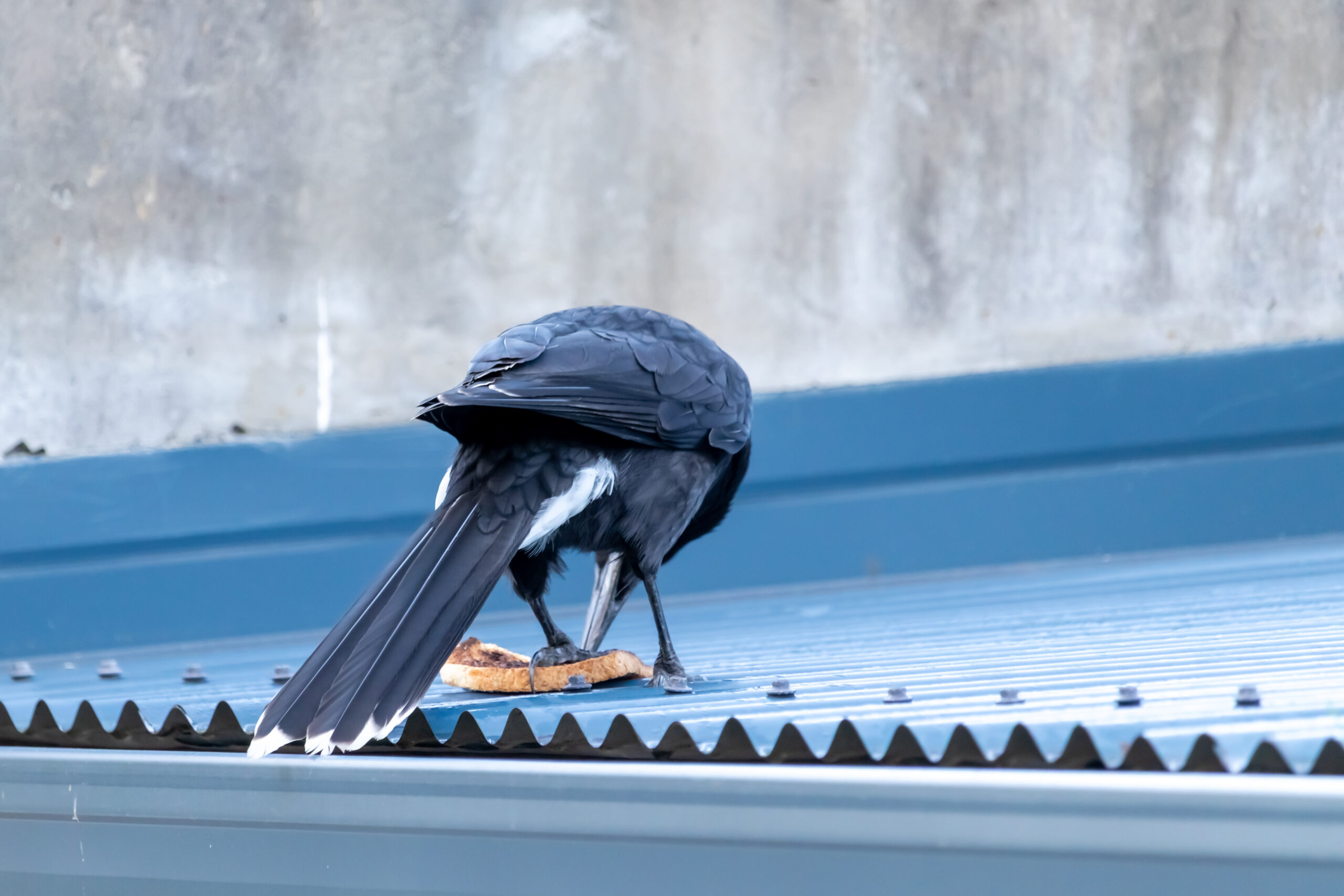
A currawong on the roof eating a slice of bread (where did it get that from? Surely no one fed it an entire slice of bread? Maybe it came from someone’s compost?).
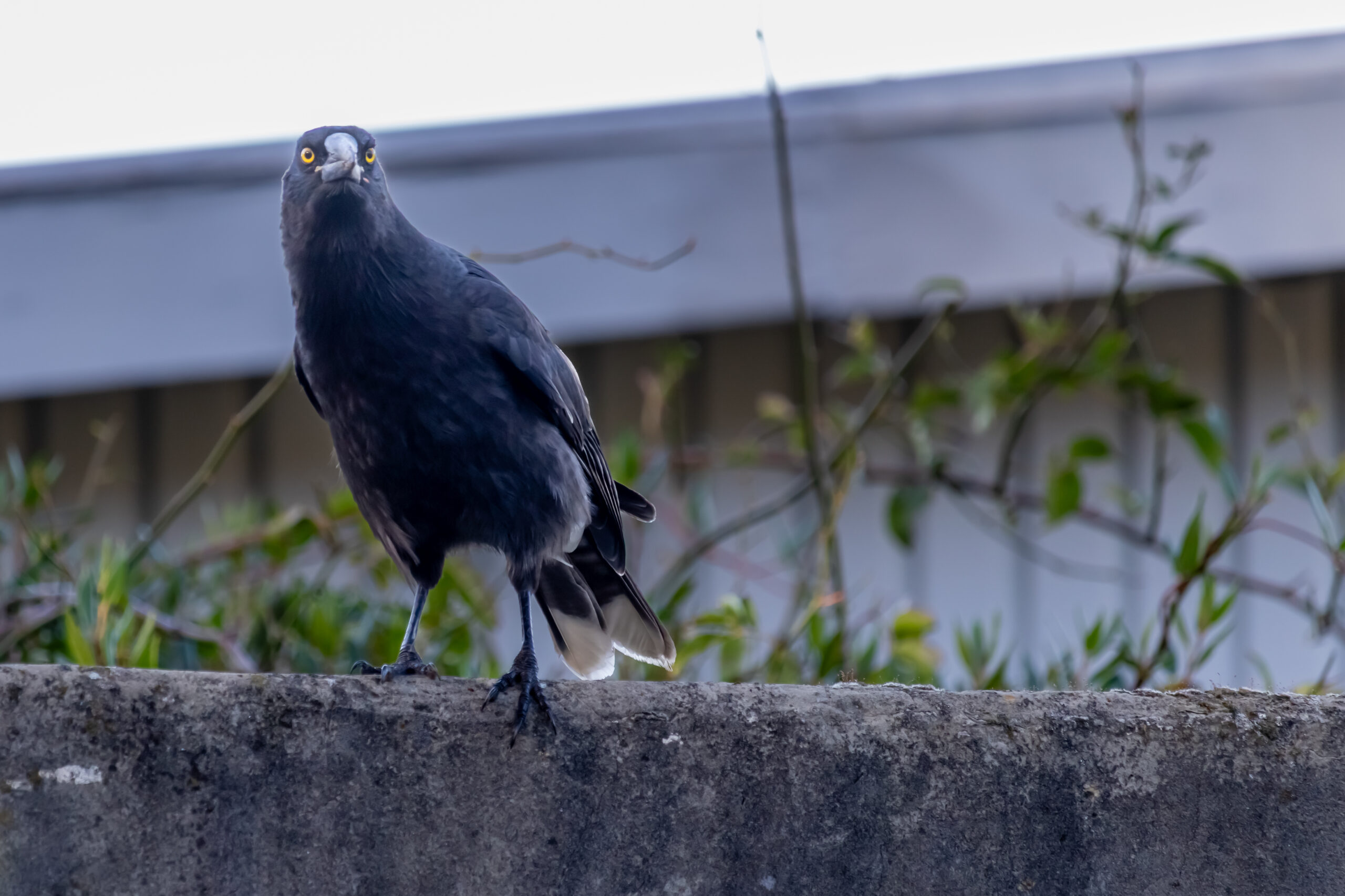
Another currawong watching it flew down onto the roof, and the first one picked up the bread and flew off with it.
Reading
- I Eat The Stars by Sarah Wilson
- The Psychobiotic Revolution: Mood, Food and the New Science of the Gut-Brain Connection by Scott C. Anderson
- Much Ado About Nothing by William Shakespeare
Listening
- Little Shop of Horrors 1982 Original Cast Album
- Chess The Original Recording
- Betwixt The Sheets podcast: How filthy were the Victorians?
- Save Me From My Shelf podcast (Season 1 episode 9: Dracula)
Watching
- Resident Alien
- Bad Company
- Diving Into The Unknown
- Doctor Who ‘The Five Doctors’
About The Author
