Week 33/2025: Beaker Street
Week of 11 August 2025
A week of Beaker Street!
As usual: This post is wholly researched and written by me. I do not use AI in my writing. I will always bring you my stories in my real human voice. If there are any em dashes in this post, it’s because I put them there.
Beaker Street
Beaker Street is a community of science people aiming to get society interested in and excited by science. They run the annual Beaker Street Festival, which brings together a range of event and experiences designed to start conversations, share ideas and engage curiosity.
Fun! Science is cool!
Some of the events I’ve been to in previous years include Science and Storytelling at the Zinc Works in 2022 and Menopause in Four Acts in 2023.
This year, I went to two very different events.
The Beaker Street game show
Hosted by the legendary Myf Warhurst, and adjudicated by ‘Hobart’s hottest science teacher’, Mrs Peterson, the game show featured three teams of nerdy science folk including vagina expert Dr Natasha Vavrec from the Bubble (who I last saw in Menopause in Four Acts), Dr Karl, and ABC presenter Robyn Williams.
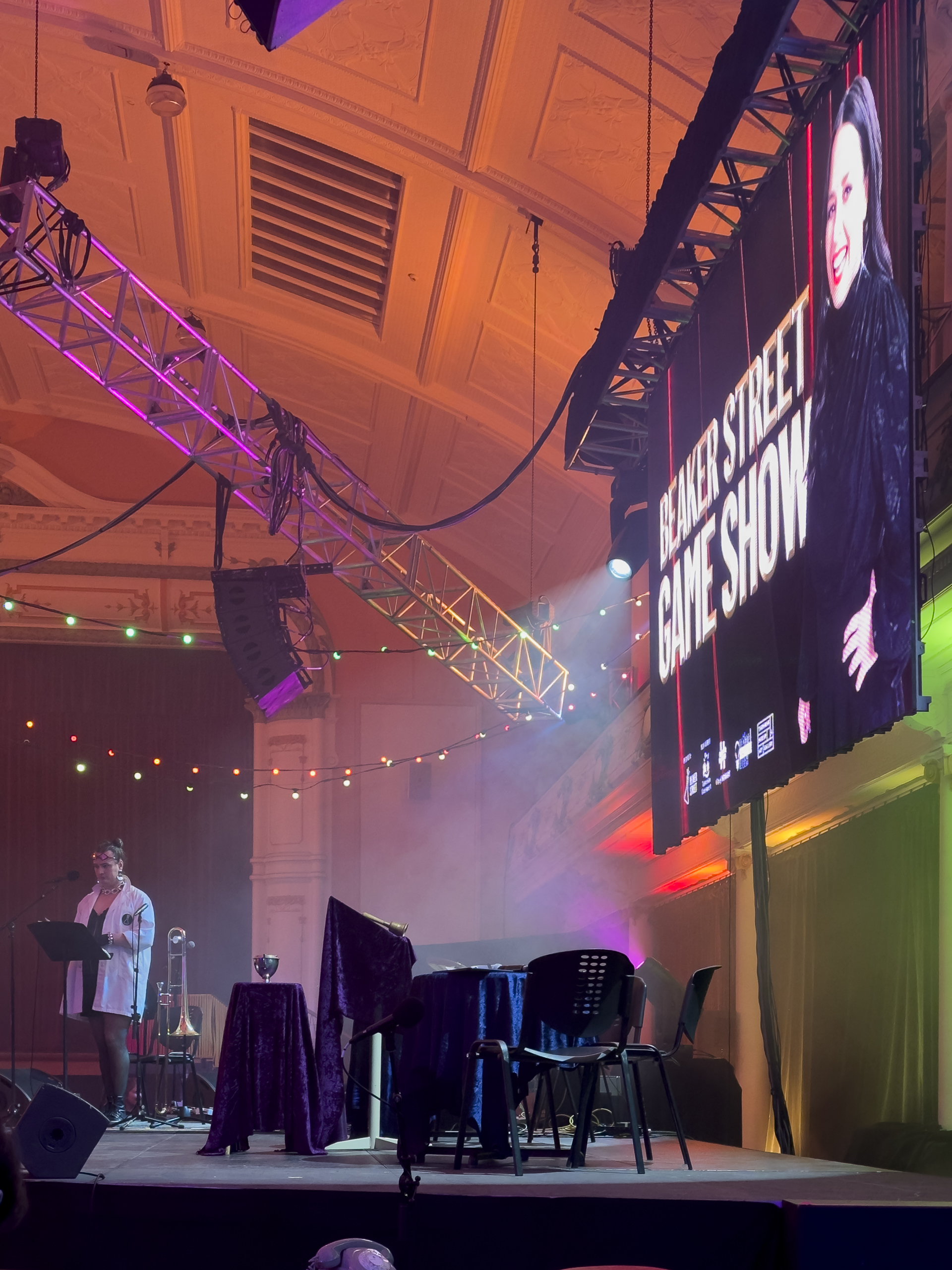
Questions were multiple choice, with thinking music for each question provided by the sultry house band Stevie and the Bunsen Burners. Topics ranged from “what the fuck is that?” to “what the fuck does that do?” and many things in between.
I learned that scientists must say “fuck” a lot.
Here’s a sample question:
What time zone is Antarctica in?
- A: Antarctica uses a unique “Polar Standard Time” year-round
- B: Chile time (UTC-4)
- C: Australian Eastern Time (UTC+10)
- D: Antarctica doesn’t have a single official timezone
You get bonus points if you know what the Cox-Zucker machine is.
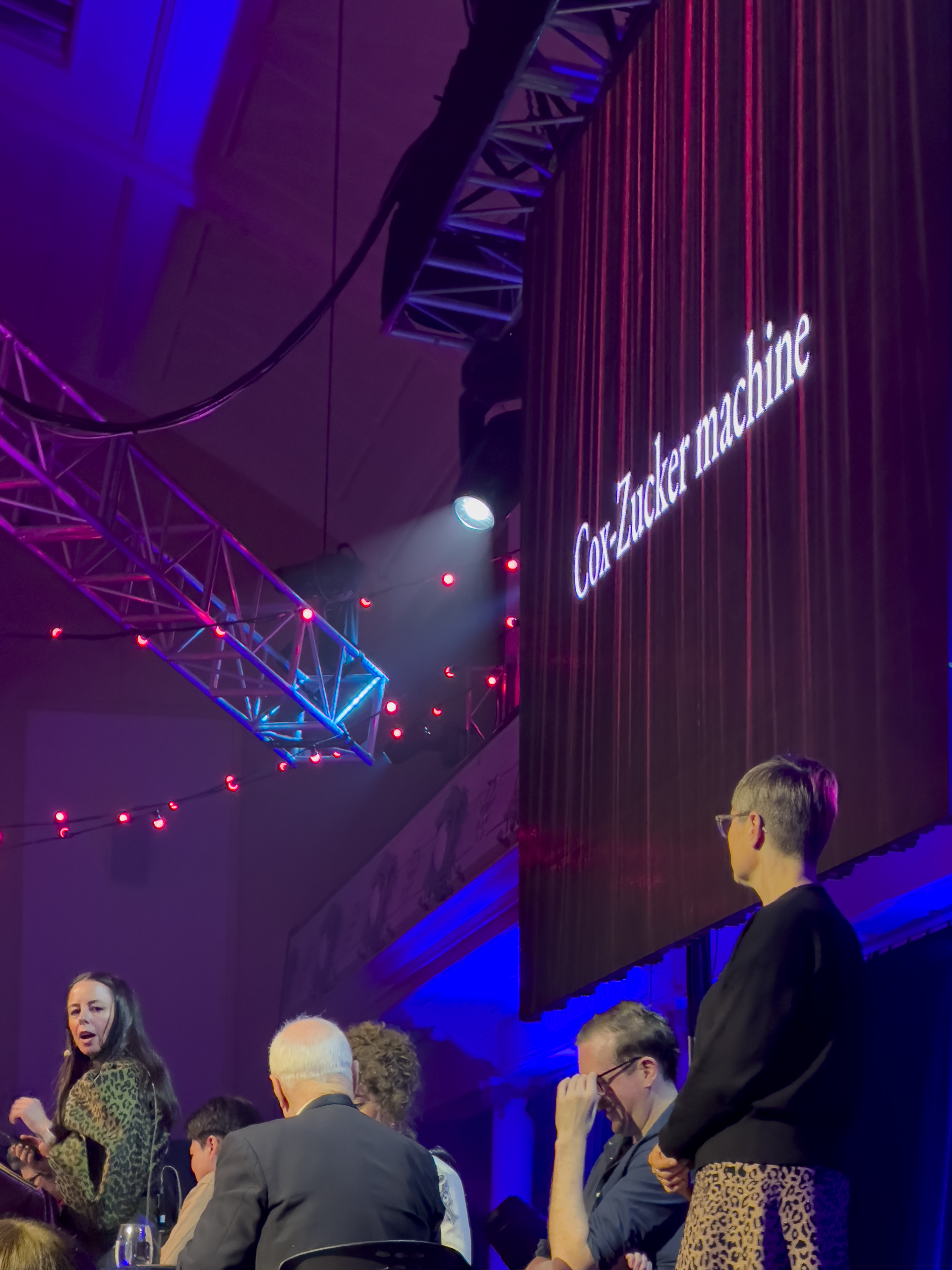
(It’s a theoretical computer algorithm in algebraic geometry.)
Maybe the funnest segment was “Powerpoint Karaoke”, where a team member had to give a presentation on a topic chosen by the audience using a slideshow of eight random PowerPoint slides.
Who said PowerPoint couldn’t be fun?
And a very honourable mention to the PhD candidate who was subjected to a series of yes/no questions from the teams, to try and work out what their PhD was about. (Scientist: 1, Teams: 0)
We had a great night.
Ningina Palawa kipli piyura kitina-ta: A Taste on Country
On Sunday Lil Sis and I travelled to Piyura Kitina/Risdon Cove, for the amazing cultural experience, ningina Palawa kipli piyura kitina-ta. In Palawa Kani, the language of the Tasmanian Aboriginal people, this means ‘to give, to get, to bring Palawa food’.
This was a wonderful day where we were privileged to take a tour of the plants and the flavours of this Country with Kitana Mansell of Palawa Kipli.
Palawa Kipli is a native Tasmanian food business that runs out of Piyura Kitina. They say:
We are operated by Aboriginal people, on Aboriginal land and are committed to the reconnection of our people to traditional food practices. We hope to contribute to cultural continuation and revival through community engagement with traditional food sources and cultural landscapes.
This was the description of the event:
We will explore traditional Palawa foods and the seasonal knowledge that sustains Palawa people. As you taste the flavours of Country, you’ll also learn what it means to give back, understanding that taking from the land comes with a responsibility to heal it. Through shared stories, food, guided walk, and advice on how to replant native flora, you’ll deepen your connection to the ecosystem and gain insights into sustainable living, Palawa ways, and the cultural practices that have cared for this land for thousands of generations. This is an opportunity to not only nourish your body but also your spirit and to take part in a movement of regeneration, respect, and reconnection. Walk gently, eat mindfully, and give back to Country.
The tour was concluded with a “specially curated fine dining experience created especially for Beaker Street”.
It was amazing.
Walking and learning
I don’t want to say too much as this is not my knowledge to share. But I learned a lot. The tour ran for about 90 minutes, which included a walk around Piyura Kitina to explore the native plants that grow here, what their Palawa names are, and how they are traditionally used.
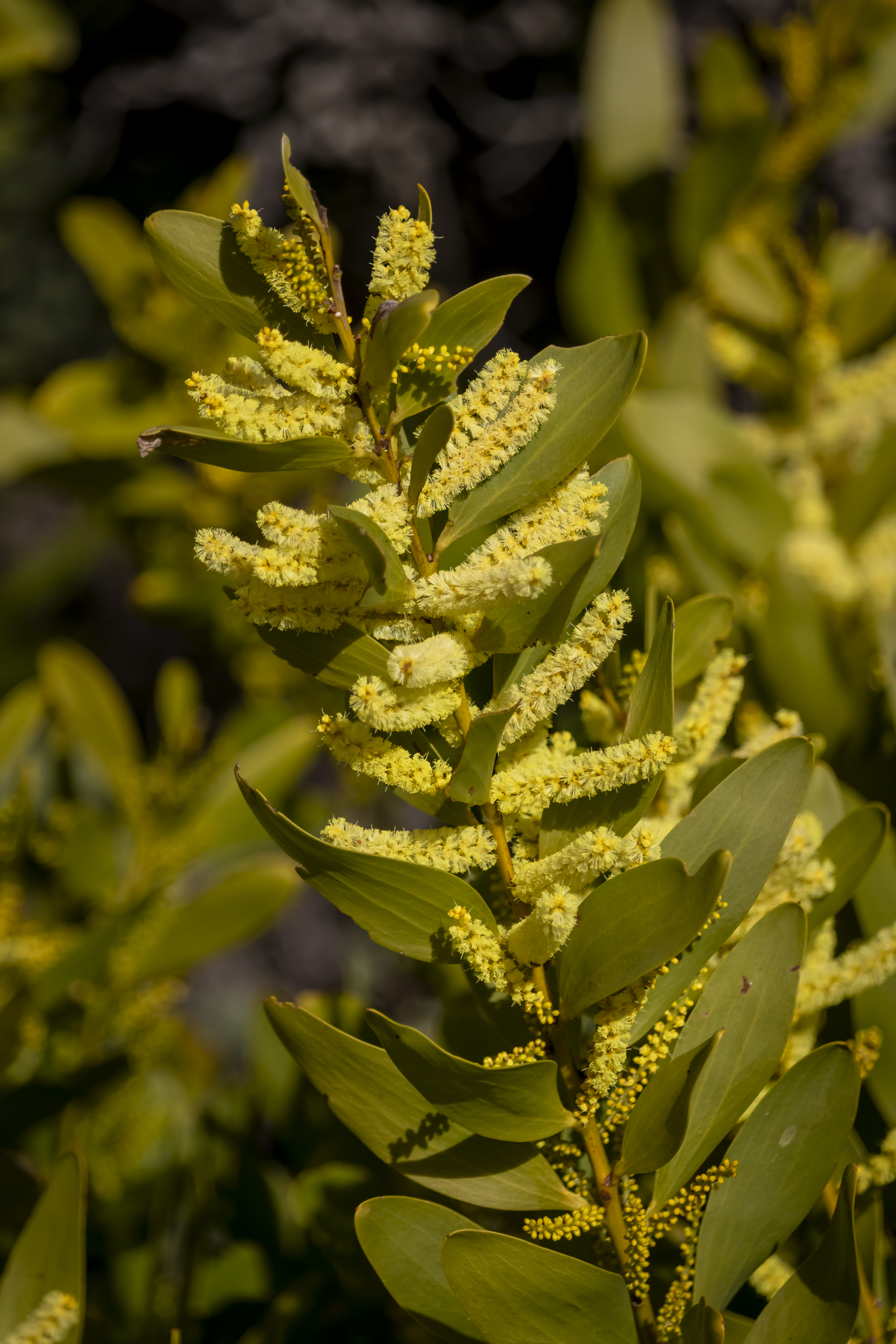
We also learned about the history of this land, which was the site of the original settlement of Hobart by the British colonisers in 1803 before it moved to what is now called Sullivan’s Cove in Nipaluna/Hobart.
This place has a horrible history as it’s here in 1804 that the first of many massacres of Tasmanian Aboriginal people by the colonisers took place. If you don’t know a lot about this history, I invite you to do some research and find out because it’s important that we know these truths. This document from the Tasmanian Aboriginal Centre is a good place to start to find out more about the Mumirimina People, who originally lived in this area.
Piyura Kitina was one of the first parcels of land given back to the Tasmanian Aboriginal people in 1995 (with strings attached), and the community has been working to restore and replant the land after it had been cleared for farming.
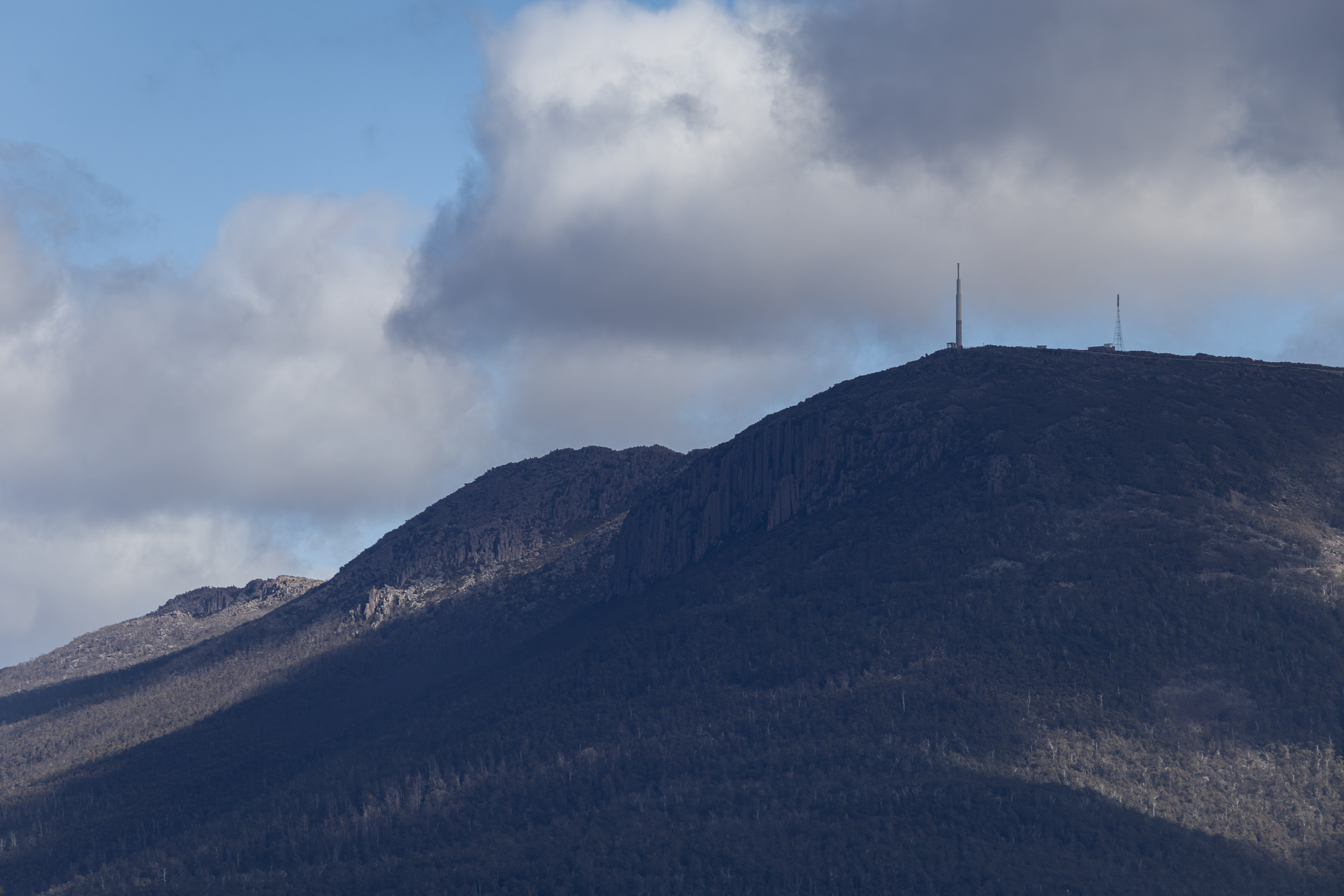
During our walk, Kitana also talked about her hopes for expanding the native plants she grows here, including a dedicated coastal plant garden.
Dining
After the tour, we moved inside for the dining experience, which was an amazing menu created by chef Braydon. Braydon’s heritage is Aboriginal and Torres Strait Islander so he was able to combine elements of both cultures in his cooking.
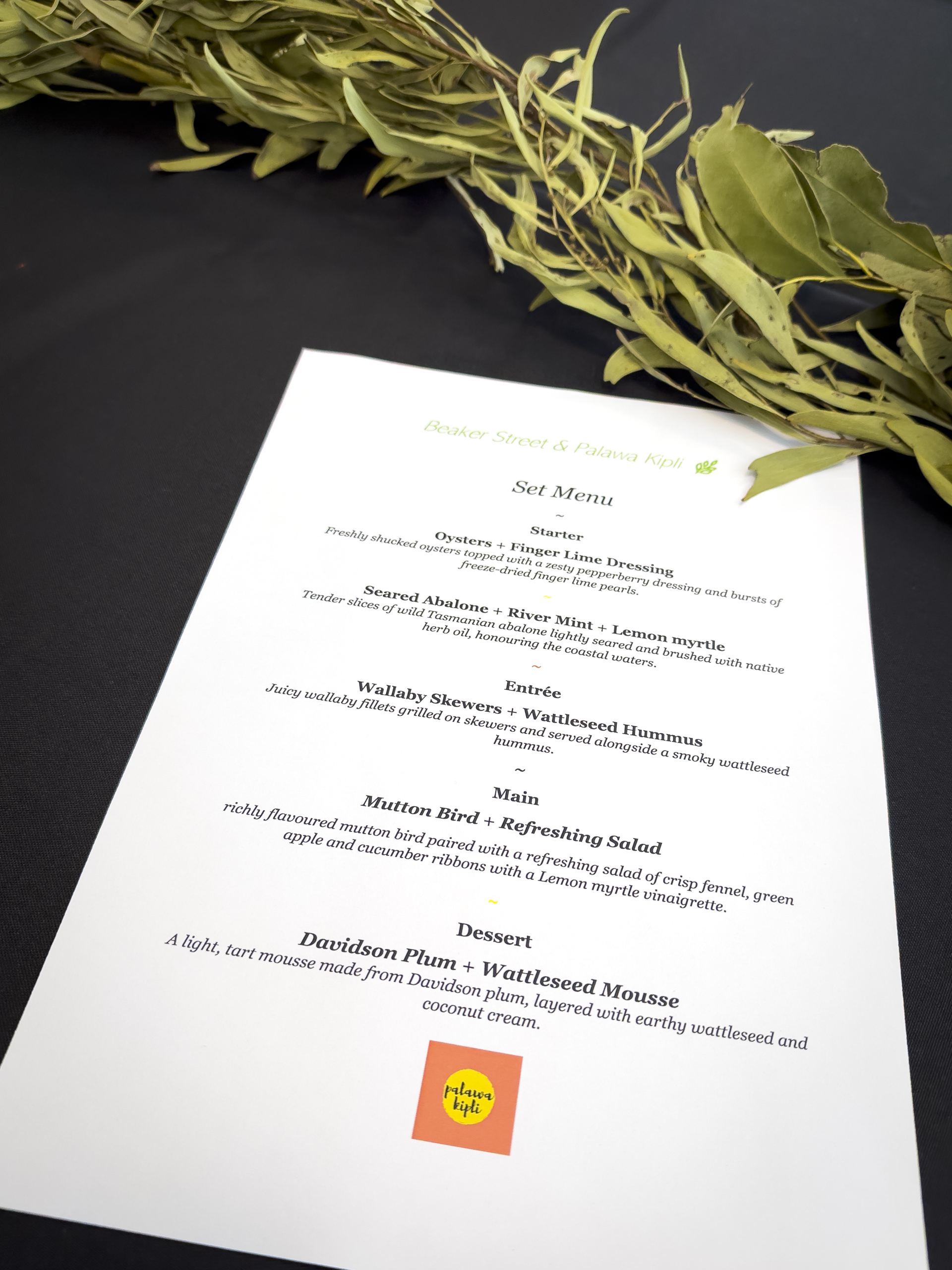
As well as introducing each course, Kitana gave us some background about where it had come from and how the community harvest it.
There were some surprising elements of the menu, including abalone, which I had never tried before. My first reaction was, “I don’t like abalone” (yes, I know, that sounds like what a toddler would say . . .) but it was presented beautifully and seared with such a smoky flavour. It had a really meaty texture, and was not at all what I was expecting.
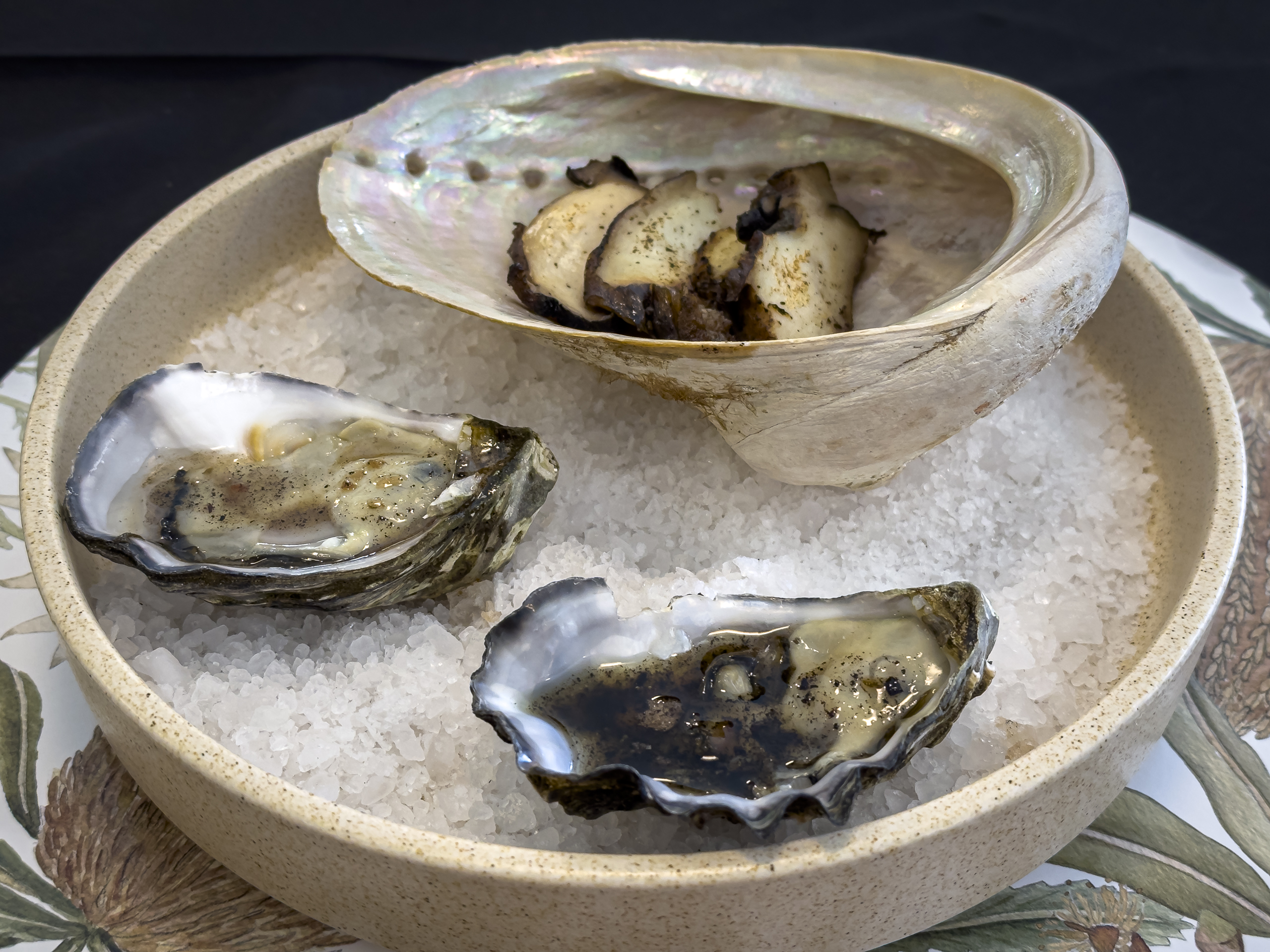
We had mutton bird for the main course. Harvesting and eating mutton bird is a significant part of Palawa culture, and Kitana showed us a video telling the story of this important cultural practice. I remember having this as a child and not liking it but you know, young kids . . . It had a curious taste, kind of earthy, even a little metallic, nothing like I ever recall tasting before and definitely not the flavour of my childhood memories. It felt really special to be able to eat this.
Dessert was a mousse made of Davidson plums (from the NT) and wattle seed, with coconut cream and a wattle seed tuille. It was so good!
The day was wonderful, wonderful, wonderful! I’m so glad we went, and if you get a chance to do this tour, just do it. There are more details on bookings for these events on Palawa Kipli’s website that I linked to at the start.
Habit tracker
Existing habits
- Go outside first thing (7 days): 7/7
- 15 minutes morning exercise sequence (7 days): 6/7
- Hip exercises (5 days): 5/5
- Walk (7 days): 7/7
- Walk 8,000 steps (7 days): 6/7
- 9.00 shutdown & dim lights (6 days): 2/6
- Evening routine (6 days): 6/6
New habits
- Fill water bottle in the morning (5 days): 4/5
- Carry a notebook with me when I walk (7 days): 5/7
- Mid-day journalling (7 days): 5/7
- Thinking time (4 days): 4/4
- Read aloud (7 days): 7/7
Summary of the week
Some positive things
- Our work training provider is offering free training courses for Adult Learners Week (1- 8 September).
- I did something at work that my manager appreciated and they told me so.
- I sent someone feedback on their work and they were really positive about what I’d said.
What did I learn this week?
In the oft-quoted Shakespeare phrase “all that glitters is not gold”, the word is actually “glisters” not “glitters”.
All that glisters is not gold—
Often have you heard that told.
Many a man his life hath sold
But my outside to behold.
Gilded tombs do worms enfold.
Had you been as wise as bold,
Young in limbs, in judgment old,
Your answer had not been inscrolled
Fare you well. Your suit is cold—
It’s from Act II Scene 7 of The Merchant of Venice.
The two words mean pretty much the same thing so it isn’t a huge deal. But I found it interesting.
What did I notice this week?
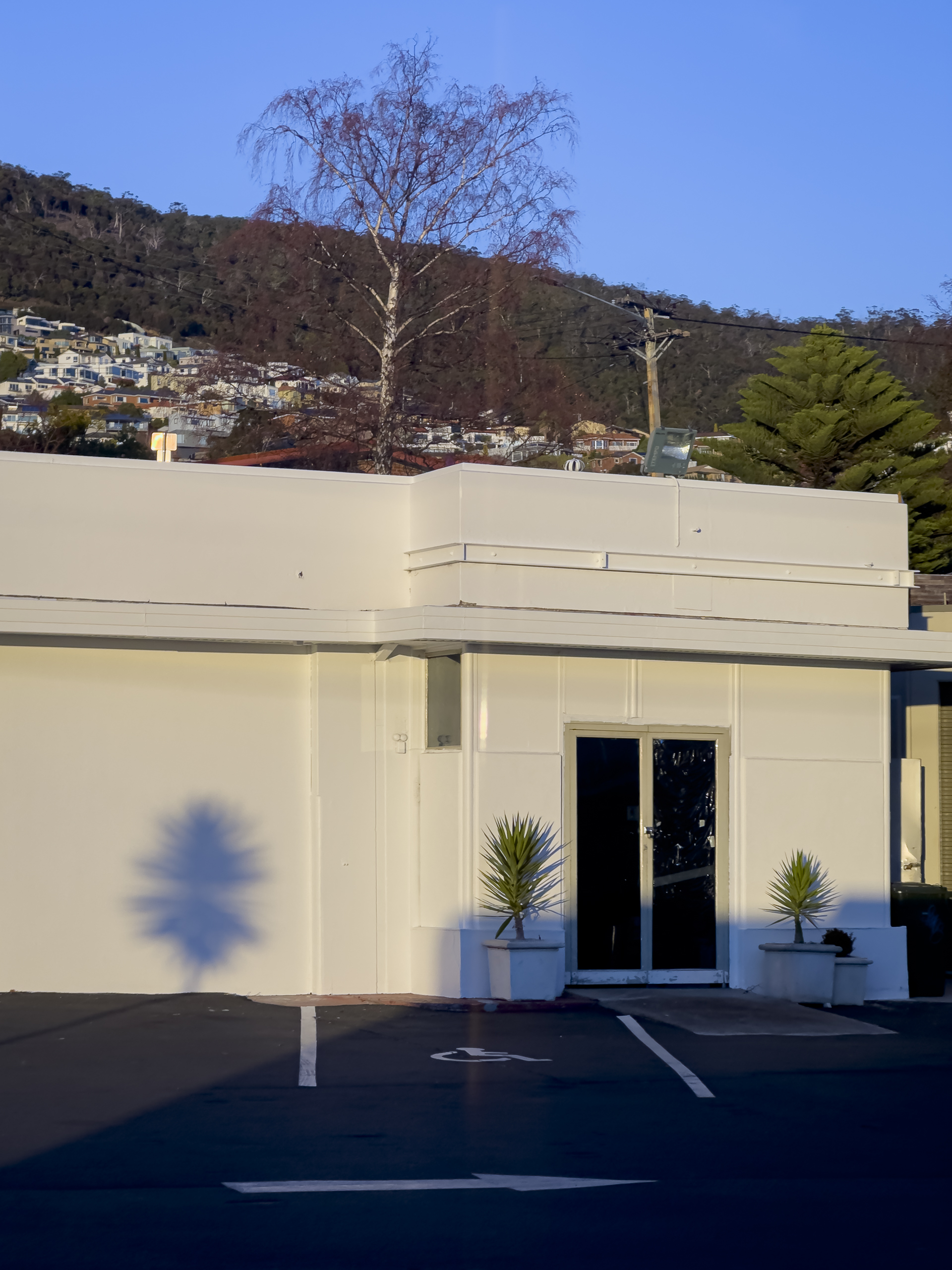
Cool shadows on this shop from the bus window on Thursday morning.
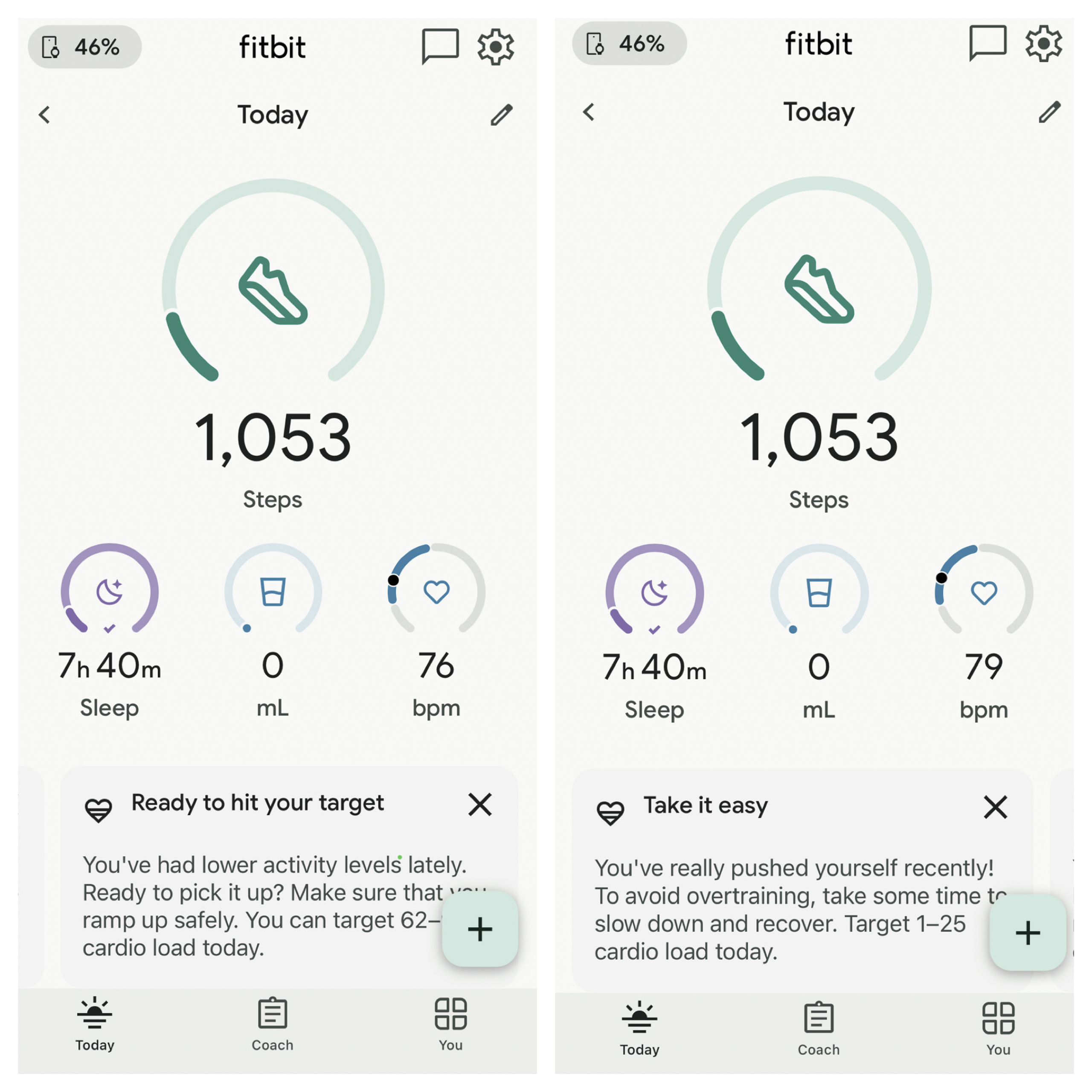
Which one is it, Fitbit?
What was the best thing this week?
Ningina Palawa kipli piyura kitina-ta.
What am I reading this week?
- The Science of Storytelling by Will Storr
- Twelfth Night by William Shakespeare
What am I watching this week?
- Masterchef Australia
- Twelfth Night productions by National Theatre (2017) and Shakespeare’s Globe Theatre (2012)
- Resident Alien
- The Beaker Street Game Show
What am I listening to this week?
- Adiemus V (Vocalise) by Karl Jenkins
About The Author
